24/7 emergency service in Sandy Springs, GA — one call connects you to a local crew

Sandy Springs Flooding? Water Out Fast, Rooms Dried Right

Sandy Springs is the biggest city in this cluster — about 104,000 people — and the most varied. Estate streets roll down to the Chattahoochee along Riverside Drive. Sixties subdivisions sit in Glenridge.

24/7 emergency responseWritten estimate before work beginsLocal Gwinnett County crews

Sandy Springs Water Risks: The River, the Slopes and Three Generations of Housing

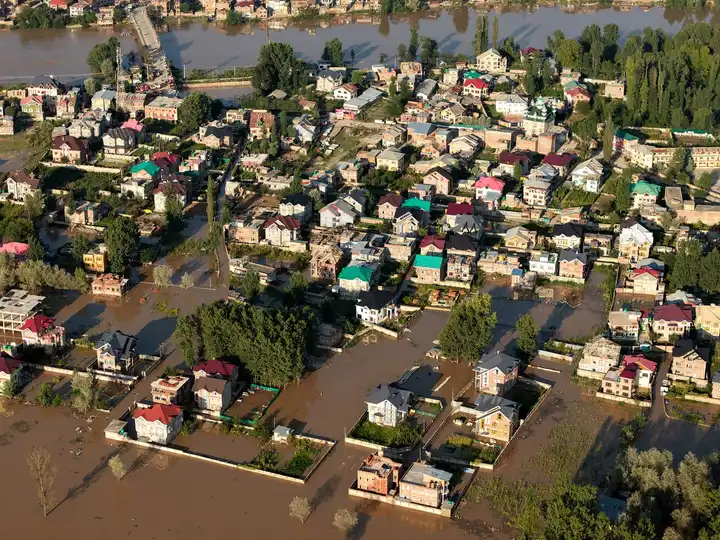
Condos, townhomes and apartments stack up along the Roswell Road corridor. All of them share one geography: a river on the west bank, steep clay slopes, and summer storms that can drop inches of rain faster than the drains clear it. For water extraction in Sandy Springs homeowners and property managers can call at any hour, one number does it: (770) 555-0123. ZIP code 30350 — North Springs, the river corridor, Morgan Falls — is the core of this page, and 30328 addresses around Hammond and Glenridge are served on the same terms. What follows is Sandy Springs-specific: the risks by neighborhood type, the services that answer them, the areas covered, and how a call works, step by step. The river writes the first chapter. Homes along Riverside Drive, near Morgan Falls and on the low streets near the Chattahoochee sit in the path when the river runs high or a stalled storm overwhelms the storm drains that feed it — lower levels, garages and crawl spaces take water that has travelled across streets and yards, which makes it contaminated water, not just wet water.

The second chapter is slope. Sandy Springs is built on ridges and hollows of red clay; water runs off the ridge homes and collects against the hollow homes, and retaining walls and foundation beds become reservoirs in a hard rain. The third chapter is the building stock itself: 1960s Glenridge homes with original plumbing arriving at end of life, slab-built subdivisions in 30350 where a pinhole leak runs under floors for weeks before it shows, and the dense Roswell Road corridor, where a single burst line in a stacked condo can rain through three units below. Summer humidity finishes the job — anything left damp grows mold within 24 to 48 hours.

  • Chattahoochee high water and storm-drain overflow along Riverside Drive and Morgan Falls
  • Runoff collecting against downhill foundations on clay slopes
  • Slab leaks running unseen under floors in 30350 subdivisions
  • Aging original plumbing in 1960s Glenridge homes
  • Multi-unit leaks cascading through Roswell Road corridor condos and townhomes
Water Extraction Peachtree Corners serving Sandy Springs

Extraction, Flood Cleanup and Mitigation Services in Sandy Springs

In a city this varied, the service mix matters more than the service list. River-corridor homes need genuine flood cleanup: extraction, debris and silt removal, disinfection and drying that accounts for groundwater still pressing in. Estate homes need protection-first extraction that treats finishes and contents as assets, with documentation to match. Condo and townhome calls need speed across unit boundaries plus a written scope that associations and insurers can work from. And everywhere, structural drying verified by daily readings is what separates a dried house from a house that grows mold in June. The mitigation sequence is identical in principle — stop, extract, map, dry, document — and the services below are the Sandy Springs core set. Property managers with multiple affected units can open one call for the whole stack. A water extraction Sandy Springs call can cover a single room or an entire flooded level.

  • Flood cleanup — river and storm water extraction, silt removal and full disinfection
  • Emergency water removal — 24/7 response for standing water in homes, condos and townhomes
  • Water mitigation — source control, containment and damage limitation from the first hour
  • Water damage restoration — drying, sanitizing and repair documentation after extraction
  • Structural drying — monitored dehumidification and airflow verified by daily moisture readings
Quick answers

Questions Homeowners Ask Us First

I keep hearing water running but cannot find a leak. Could it be under the slab?

Slab leaks announce themselves quietly: a warm spot on the floor, the sound of running water when nothing is on, a water bill that doubled for no reason, or flooring that starts lifting in one room. In 30350's slab-built subdivisions these are common enough that crews check for them early — call for moisture mapping before the leak finds its own way out through your floor.

Do you cover the river neighborhoods near Morgan Falls and Riverside Drive?

Yes — Morgan Falls and the Riverside corridor are core service area, not an exception. Crews know the river streets, the low lots near the dam and the roads that flood first, which is also why calling during the storm, not after it, gets equipment positioned fastest when several streets need help at once.

Grey water from a shared line backed up into my townhome. What order do I do things in?

Put safety and documentation first: if water is near the panel or outlets, leave the power question to the crew. Photograph everything before touching it — those images anchor your claim. Then call extraction: grey water from a shared drain line is treated as contaminated, professionally removed and disinfected, and the building's management gets a documented scope for the plumbing repair that has to follow.

Still standing in water? Call (770) 555-0123 — help is available around the clock.

Neighborhoods and ZIP Codes Served in Sandy Springs

Core coverage is ZIP code 30350: the North Springs area, the Riverside Drive river corridor, the Morgan Falls neighborhoods, and the subdivisions between Roswell Road and the river. Service extends on the same terms into 30328 — Hammond Hills, Glenridge and the Perimeter-edge streets — and across the Mountaire and Heards Ferry areas. Crews stage from the Peachtree Corners side and run down the GA-400 and Roswell Road corridors, so Sandy Springs calls are answered locally rather than dispatched across the metro. Addresses just outside the city — in Dunwoody, Roswell or unincorporated North Fulton — fall inside the same everyday footprint.

  • Riverside Drive and the Chattahoochee corridor — 30350
  • Morgan Falls area — 30350
  • North Springs — 30350
  • Roswell Road corridor homes, condos and townhomes — 30350 and 30328
  • Glenridge and Hammond Hills — 30328
  • Heards Ferry and Mountaire areas — 30350

How a Water Extraction Call Works in Sandy Springs, Step by Step

One call to (770) 555-0123 reaches a dispatcher at any hour. For a burst pipe you will be walked to the shutoff; for rising river or storm water, the first questions are about safety — power, depth and whether the water is still coming. The nearest crew rolls with extraction and drying equipment sized for the call, from a single condo unit to a full lower level. Arrival follows a fixed order: hazard check, source confirmation, and complete photo documentation before anything is moved. Extraction comes next, with containment set where water threatens unaffected rooms or units.

Moisture mapping then traces the real footprint — inside walls, under floors, across ceilings below. Drying equipment is placed the same visit, a technician returns daily to read and adjust, and equipment leaves only when readings verify dry standard. You receive the full file — photos, moisture log, written scope — formatted for an adjuster, an association or a property manager, whoever needs it. That documentation standard applies to every water extraction Sandy Springs job.

  • Call and triage — shutoff guidance for pipes, safety first for flood water
  • Hazard check and full photo documentation before work starts
  • Extraction and containment — water out, unaffected rooms and units protected
  • Moisture mapping — hidden water traced through walls, floors and ceilings
  • Monitored drying — daily readings until verified dry standard
  • Documentation handover — photos, moisture log and written scope
Inspection of a common Sandy Springs property problem

Frequently Asked Questions

How much does water extraction cost in Sandy Springs?

Scope drives it: rooms affected, water category and drying time. A contained clean-water extraction can be a few hundred dollars; a flooded river-side lower level with a week of monitored drying runs into the thousands — and still costs a fraction of rebuilding a finished basement. Sudden internal failures are typically covered by homeowners insurance minus the deductible; rising river or creek water usually needs a separate flood policy. See the water damage costs page for typical ranges, and expect documentation that supports whichever claim applies.

Does my homeowners insurance cover Chattahoochee River flooding?

It is one of the most useful Sandy Springs questions, because the answer splits cleanly. Standard homeowners policies cover sudden internal water — burst pipes, appliance lines, water heaters. Water that rises from the river, a creek or an overwhelmed storm drain is flood damage and needs its own policy, no matter which street you live on. Riverside and Morgan Falls homeowners should confirm flood coverage before storm season, not after the warning.

A pipe burst in the condo above mine on Roswell Road. Who handles the water in my unit?

Apartment and condo leaks follow a responsibility split: the unit owner usually handles their own unit's contents and interior, the association handles shared systems and common areas, and the unit where the leak started often carries liability for neighbours below. What extraction does immediately — whoever pays — is stop the spread and document everything with photos and readings, which is what sorts out the responsibility question later. Call first; the paperwork is far easier with dry walls.

Storm water came in under my garage door. Can I just mop it up?

No — treat that water as contaminated and stay out of it. Storm water that has crossed streets, yards and parking areas carries bacteria, chemicals and debris, and it should be extracted, the space disinfected, and porous soaked materials assessed for removal, the same protocol as a sewage event. The categories look similar in a photo; the health risk is entirely different.

How long does drying take in a larger Sandy Springs home?

Three to five days for most living spaces, verified by daily moisture readings. Larger Sandy Springs homes and finished lower levels can take five to seven, especially where water reached insulated walls or tile over concrete. Equipment comes out when the meters confirm dry standard — pulling it early is how a dried-out room grows mold behind the baseboards a month later.

Water Problem in Sandy Springs, GA Right Now?

Every hour of standing water means more damage and a bigger bill. One call connects you with a local crew that can start extraction and drying today.

Call now
Water standing in your home right now?Local crews respond 24/7 across Peachtree Corners — one call and help is on its way.
☎ Call (770) 555-0123