24/7 emergency service in Dunwoody, GA — one call connects you to a local crew

Water Sitting in Your Dunwoody Home? Every Hour It Sinks Deeper

Dunwoody is two cities in one ZIP code. Around Perimeter Center there are towers, townhomes and a mall. A mile away, the Dunwoody most people mean begins: quiet streets of 1960s and 1970s ranch and traditional homes under one of the oldest tree canopies in metro Atlanta, in neighborhoods like Kingsley, Georgetown and Dunwoody Club Forest.

24/7 emergency responseWritten estimate before work beginsLocal Gwinnett County crews

Dunwoody Water Risks: Nancy Creek, Old Trees and Older Pipes

Those homes have charm, mature landscaping — and plumbing, sewer laterals and crawl spaces that are now 50 to 60 years old. That age profile is exactly why water extraction Dunwoody calls follow a pattern: the oak root that finally splits a clay sewer line, the crawl space that holds a pond after every Nancy Creek storm, the supply line that has been misting inside a wall since spring. One call to (770) 555-0123, day or night, connects you with a local crew for ZIP code 30338. Below: the risks Dunwoody homes actually face, the services that match, the neighborhoods covered, and how a call works. Nancy Creek is Dunwoody's quiet troublemaker. It winds through the south of the city toward Brookhaven, and in heavy rain it and its tributary ditches rise into the low streets along its path, pushing water into crawl spaces and garages of homes that sit a few feet too low. Dunwoody's famous slopes do the rest: storm water runs downhill across red clay, ponds against the lowest foundation on the street, and enters through vents that were set at 1965 grade, not 2026 water levels.

Inside the walls, age is the story. The building boom that created Dunwoody's neighborhoods used copper and galvanized supply lines and clay or cast-iron sewer laterals — materials now at the end of their design life. The mature oaks that define streets in Kingsley and The Briers send roots straight into those laterals, and a root ball that has been growing for a decade becomes this year's sewage backup. Crawl spaces, vented and unconditioned, condense summer humidity on cool pipes and floors, so even homes that never flood can grow mold quietly under the living room. And the renovation wave brings its own risk: every remodel that opens old walls in a 1970s Dunwoody home finds plumbing that was patched, not replaced.

  • Nancy Creek flooding and storm runoff entering low crawl spaces and garages
  • Root intrusion splitting clay and cast-iron sewer laterals under mature oaks
  • Aging copper and galvanized supply lines in 1960s–1970s homes
  • Crawl-space condensation and groundwater keeping subfloors damp all summer
  • Hidden patched plumbing exposed during renovations, leaking behind new finishes
Water Extraction Peachtree Corners serving Dunwoody

Water Extraction and Drying Services in Dunwoody

Dunwoody work is heavily weighted toward the two spaces other cities use less: the crawl space and the sewer line. Crawl-space extraction and drying is a specialty here — pumping standing water, removing saturated insulation that will never dry in place, and drying joists and subfloor to a verified standard so the musty smell does not simply move into the house. Sewage cleanup is the second staple, because root-damaged laterals are a matter of time in the older neighborhoods. Above the floor, the standard sequence applies with extra care for original materials: gentle extraction and controlled drying that gives 60-year-old hardwood and plaster a real chance of surviving. The services below cover the Dunwoody pattern; Perimeter-area condos and townhomes are served on the same terms, including the shared-wall leaks that come with them. Most water extraction Dunwoody calls combine two or more of these services in a single visit.

  • Crawl space water removal — pumping, saturated insulation removal and joist and subfloor drying
  • Sewage backup cleanup — safe contaminated-water removal and disinfection after root or blockage backups
  • Burst pipe cleanup — extraction and wall-cavity drying after aging supply lines split
  • Emergency water removal — 24/7 response for standing water in any room or level
  • Structural drying — air movers, dehumidifiers and daily readings until the home verifies dry
Quick answers

Questions Homeowners Ask Us First

There is standing water in my crawl space after every big rain. Should I call?

Almost always, yes — and it is worth more than the water you can see. A crawl space holding water after a Dunwoody storm usually means groundwater is entering faster than the clay lets it leave. Left alone it rots joists, grows mold that vents into the living space, and invites termites. A pump-out, drying and a look at grading and drainage solves the cause, not just the puddle.
Who do I call first for a burst pipe — a plumber or an extraction crew?

Plumber first for the break itself — but call extraction in parallel, because the clock on your floors and walls starts when the water lands, not when the pipe is fixed. The extraction dispatcher will coordinate timing so drying equipment goes in as soon as the space is safe, and the two visits often overlap productively.

The house smells musty every summer but I cannot find any mold. Where is it?

You are smelling the crawl space. Older Dunwoody homes vent crawl-space air straight into the living space, so moisture and early mold growth down below present as a musty house. It is worth a moisture inspection before it becomes visible mold — catching it at the smell stage is the cheapest point in the whole problem.

Still standing in water? Call (770) 555-0123 — help is available around the clock.

Neighborhoods and ZIP Codes Served in Dunwoody

All of Dunwoody is served under ZIP code 30338. Regular coverage includes the Dunwoody Village area, Georgetown, Kingsley, Dunwoody Club Forest, The Briers, Withmere and Mill Trace, the country club streets, Mount Vernon Road and Chamblee Dunwoody Road corridors, and the Perimeter Center edge with its condos, townhomes and apartments. Crews stage from the Peachtree Corners base up Ashford Dunwoody Road — close enough that 30338 calls are genuinely local, at any hour. Homes just over the line in Sandy Springs, Brookhaven and Peachtree Corners fall in the same everyday footprint.

  • Dunwoody Village and Georgetown — 30338
  • Kingsley and Dunwoody Club Forest — 30338
  • The Briers and Withmere — 30338
  • Mount Vernon Road corridor — 30338
  • Chamblee Dunwoody Road corridor — 30338
  • Perimeter Center condos and townhomes — 30338

How a Water Extraction Call Works in Dunwoody, Step by Step

Call (770) 555-0123 and the dispatcher starts with the source: if a pipe is feeding the flood, you will be walked to your main shutoff; if it is sewage, you will be told to stop all water use in the house immediately — every flush spreads it. The nearest crew is dispatched with extraction, crawl-space and drying equipment. On arrival: safety check, source confirmation, and full photo documentation before anything is moved — the record your adjuster needs. Extraction follows, including under-house work where the crawl space is involved. Moisture mapping with meters and thermal imaging then finds what the eye missed: water inside walls, under hardwood, in the subfloor. Drying equipment is placed the same visit, and a technician returns daily to read, adjust and report. Equipment leaves when the readings — not a schedule — say the structure is dry, and you keep the complete file: photos, moisture log and scope. It is the same sequence on every water extraction Dunwoody job, crawl space or not.

  • Call and source control — shutoff guidance for pipes, full stop for sewage
  • Safety check and photo documentation before work begins
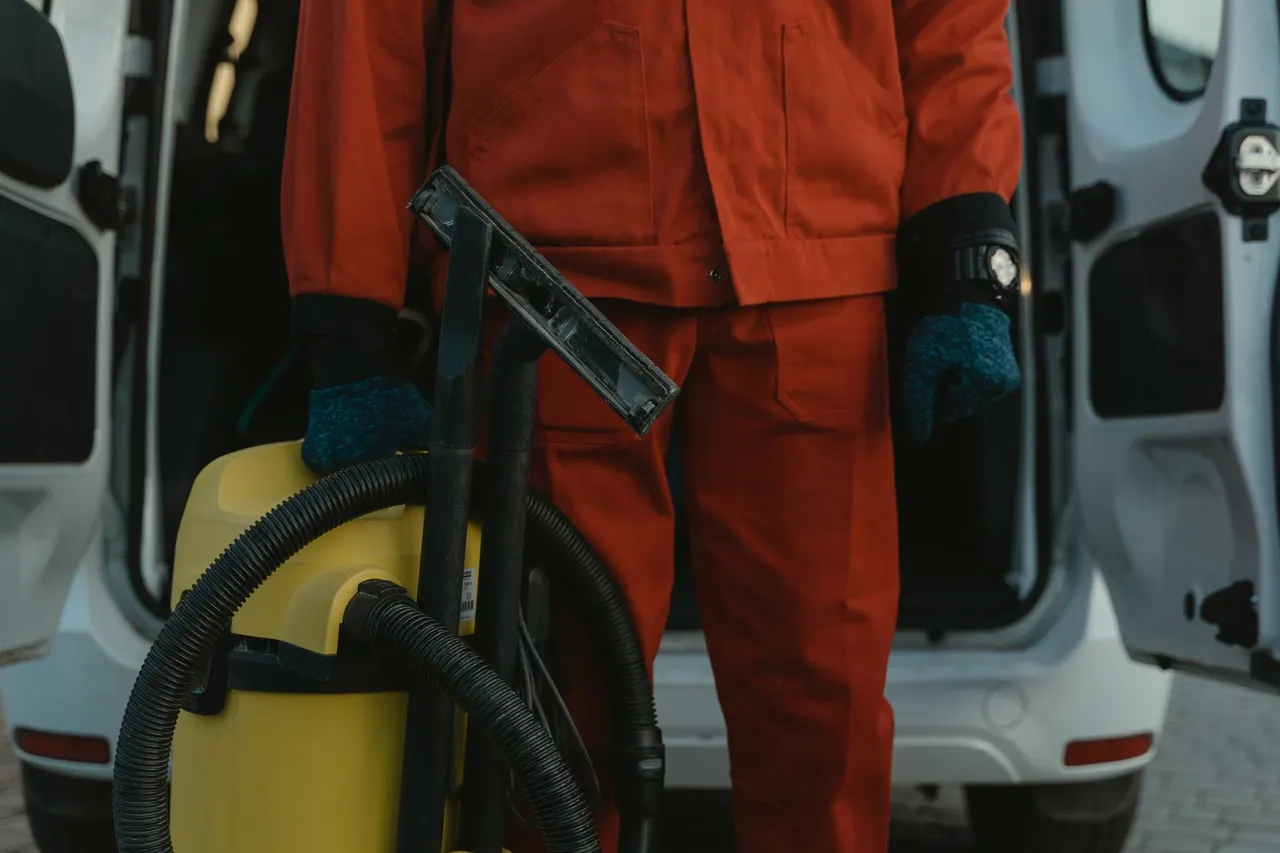
  • Extraction — rooms, garages and crawl spaces pumped and vacuumed
  • Moisture mapping — hidden water traced in walls, floors and subfloors
  • Monitored drying — daily readings until verified dry
  • Claim file handover — photos, moisture log and written scope
Inspection of a common Dunwoody property problem

Frequently Asked Questions

How much does water extraction cost in Dunwoody?

A contained clean-water job in a room or two can be a few hundred dollars; a flooded lower level with crawl-space work and several days of drying runs into the thousands — still far less than subfloor and joist replacement. Sudden pipe and appliance failures are typically covered by homeowners insurance minus the deductible. Sewer backups are the exception: many policies cover them only with a specific backup rider, which is worth checking before you need it. See our water damage costs page for typical ranges.

Every spring my baseboards swell and the paint bubbles. What is actually going on?

Rarely the drywall — usually what the drywall is hiding. In Dunwoody's crawl-space homes, the answer is most often a slow supply-line drip, a sweating or leaking crawl-space pipe, or groundwater wicking up after storms. Pulling baseboards and re-painting treats the symptom for a season. Moisture mapping finds the actual source so the fix — and the drying — happens once.

Can the original hardwood in my 1960s Dunwoody home be saved?

Original hardwood is one of the best reasons to call fast. Surface water extracted within hours, followed by controlled drying with weighted mats and dehumidification, saves most solid hardwood — including the oak floors in Dunwoody's 1960s homes. The failure mode is delay: after a day or two the boards cup and crown, and sanding can no longer fix what drying would have prevented. Engineered floors are less forgiving; the crew will test and tell you honestly.

Do we have to leave the house during a sewage cleanup?

For clean water, usually yes — crews isolate the work zone and most of the home stays normal, apart from drying-equipment noise. Sewage events are different: affected rooms stay off-limits until disinfection is verified, and if the main bathroom is involved a short stay elsewhere may make sense. Insurers often cover additional living expenses for exactly that situation, and the documentation supports the claim.

How long does drying take in a ranch home with a crawl space?

Three to five days is typical for living areas; crawl spaces with saturated insulation can take longer, and wet insulation sometimes has to come out to let the structure dry at all. Daily meter readings — not the calendar — decide when equipment leaves, and you see the readings at each visit so the timeline is never a mystery.

Water Problem in Dunwoody, GA Right Now?

Every hour of standing water means more damage and a bigger bill. One call connects you with a local crew that can start extraction and drying today.

Call now
Water standing in your home right now?Local crews respond 24/7 across Peachtree Corners — one call and help is on its way.
☎ Call (770) 555-0123