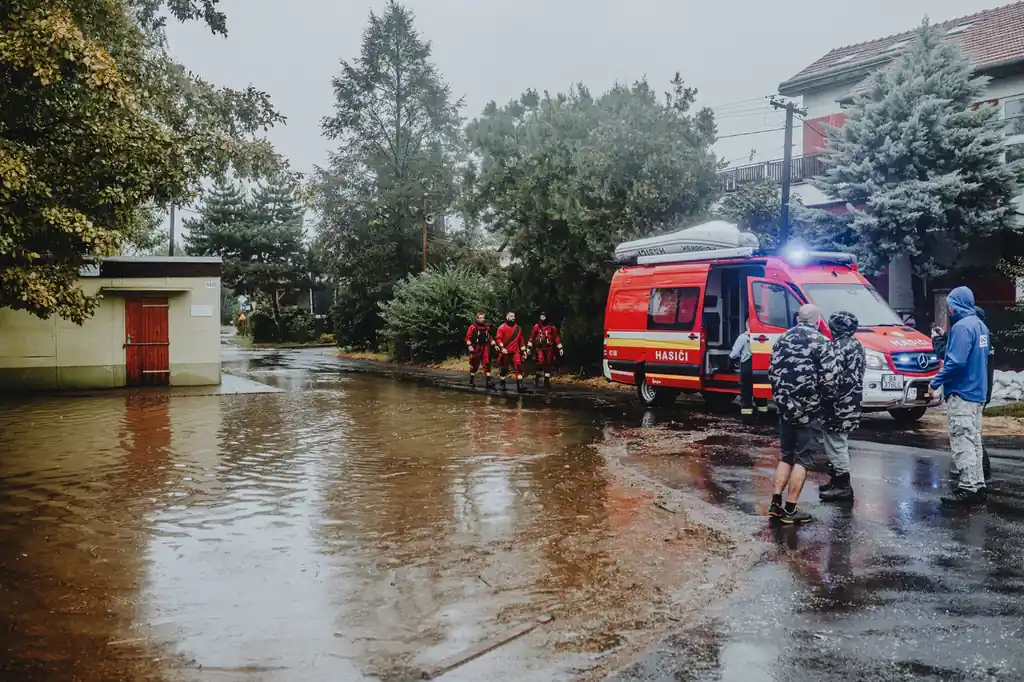
24/7 emergency service in Peachtree Corners, GA — one call connects you to a local crew

Emergency Water Removal, Day or Night, Before Damage Spreads

A burst pipe at 2 a.m. does not wait for business hours, and neither does the damage. Water spreads under floors, climbs drywall, and soaks insulation by the minute — in Georgia's humidity, mold can get started within 24 to 48 hours.

24/7 emergency responseWritten estimate before work beginsLocal Gwinnett County crews

What Counts as a Water Emergency

This removal work is the around-the-clock response for exactly these moments: a crew dispatched at night, on weekends, and on holidays to stop the spread, pump out standing water, and start drying before a bad night becomes a full rebuild. This page explains what counts as a water emergency, what to do in the first hour, and what happens when the crew arrives. If water is actively spreading in your Peachtree Corners home, call (770) 555-0123 now — the line is answered around the clock. Not every drip is an emergency, but more situations qualify than most homeowners expect.

The test is simple: is water actively spreading, is it deep enough to pool, is it anywhere near electrical systems, or is it contaminated? If the answer to any of those is yes, it is an emergency job, whatever the clock says. A slow drip under a sink that you have contained in a bucket can usually wait for a scheduled visit. Everything below cannot — each one gets measurably worse with every hour it sits.

  • A burst or leaking pipe sending water into walls, ceilings, or floors
  • Storm or flash-flood water entering the home, basement, or crawl space
  • A sewage backup or toilet overflow — contaminated water is always urgent
  • A water heater that has ruptured or is dumping its tank
  • A washing machine, dishwasher, or supply line failure flooding a room
  • A roof leak actively dripping through ceilings during a storm
  • Any standing water near outlets, appliances, or the breaker panel
Emergency Water Removal inspection and diagnostic work

The First Hour: What to Do While Help Is On the Way

What you do before the crew arrives can cut the final damage bill significantly — and keep your family safe. Work through these steps in order, and skip any step that puts you in contact with water near electricity. Your job in the first hour is not to fix anything; it is to stop the water getting worse, protect people and belongings, and preserve evidence for your insurance claim. Then let the removal crew take over with the right equipment.

  • Shut off the main water valve — usually near the meter or where the line enters the home
  • Turn off power to wet rooms at the breaker panel, only if you can do so without standing in water
  • Keep children and pets out of the affected area, especially if sewage is involved
  • Move documents, photos, electronics, and small furniture to dry ground or an upper floor
  • Take photos and short video of the water and the source before anything is moved or removed
  • Do not use electrical appliances, vacuums, or extension cords in standing water
  • If water is still flowing and you cannot find the valve, say so on the call — the crew will prioritize it
Quick answers

Questions Homeowners Ask Us First

Should I call at night or wait until morning?

Call at night. Water does not pause while you sleep — it keeps wicking into walls and under floors, and the mold clock keeps running. A crew extracting at 3 a.m. is saving materials that would be torn out by noon. Around-the-clock response exists precisely because waiting until morning is the most expensive choice a homeowner can make in a water emergency.
Do I need to find the leak before I call?

No. Shut off the main valve if you can do it safely, then call. You do not need a diagnosis — locating hidden sources with moisture meters and thermal imaging is part of the visit. Spending an hour hunting for a leak while water spreads does far more damage than the call would have. If you cannot find the valve, tell the dispatcher and the crew will handle it first on arrival.

Does an emergency visit cost more than a scheduled one?

After-hours response can carry a premium with some providers, and it is reasonable to ask about it on the call. Weigh it against the alternative: hours of extra spread typically mean more torn-out drywall, more ruined flooring, and a bigger mold risk. In nearly every case, the delay costs more than the call-out. Our water damage costs guide explains the factors that drive pricing on emergency and standard jobs alike.

Still standing in water? Call (770) 555-0123 — help is available around the clock.

Why Speed Changes the Outcome

Water damage runs on a clock, and the clock is not generous. Drywall wicks water upward about an inch an hour in the early stages. Hardwood starts cupping as it absorbs moisture from below. In Peachtree Corners' warm, humid air, the mold timeline is the one that matters most: growth can begin within a day or two on wet organic materials like drywall paper, wood, and carpet backing. The removal process exists to beat that clock — extracting in the first hours keeps most materials in the 'can be dried and saved' column instead of the 'must be torn out' column.

Time since water startedWhat is happening inside the home
First hoursWater spreads under flooring and wicks up drywall; most materials still salvageable
Around 24 hoursMold can begin on wet drywall and wood in warm, humid conditions; odors set in
48 hours and beyondMold growth likely; hardwood swells and cups; drywall weakens and crumbles
A week or moreStructural and microbial damage; repair scope and cost rise sharply

What Happens When an Emergency Crew Arrives

The first visit follows a tight sequence built for speed. The crew makes the scene safe, confirms the water source is stopped, and gets pumps and extractors running before anything else — paperwork and detailed assessment happen around the removal work, not before it. Containment goes up if the water is contaminated, and drying equipment is placed the same visit so moisture starts dropping immediately. By the time the crew leaves, the water is out, the drying plan is running, and you have documentation of the damage and the response for your insurer.

  • Safety check: power, structure, and contamination risks assessed on arrival
  • Source control: any still-flowing water is stopped first
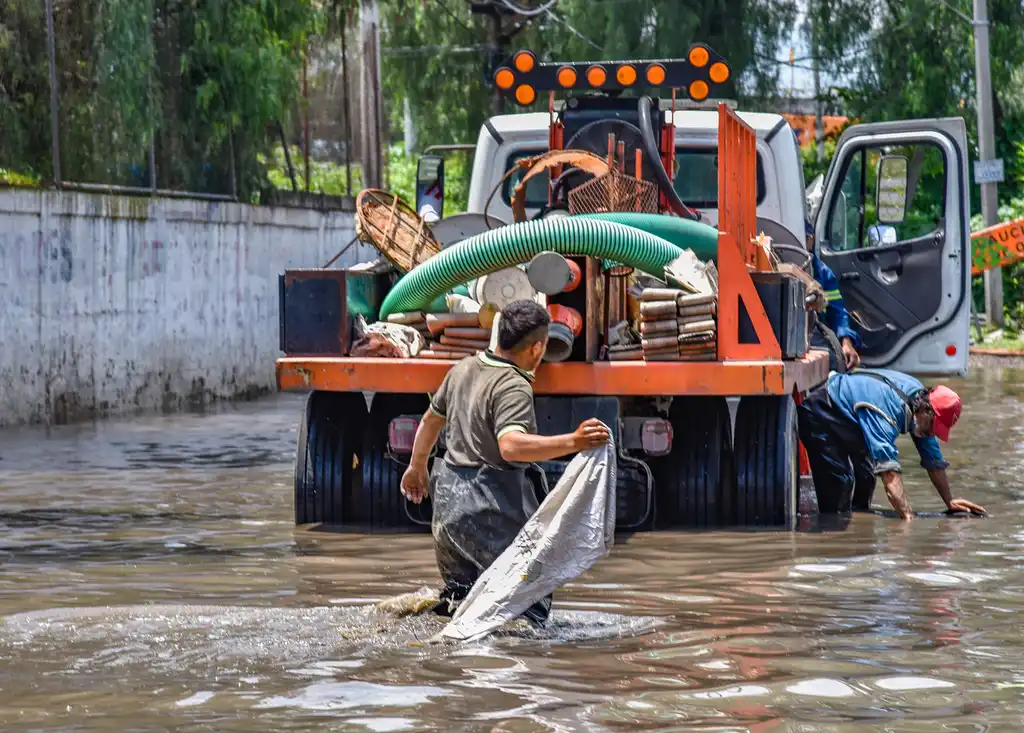
  • Pump-out and extraction: standing water removed with truck-mounted equipment
  • Containment and protection: unaffected areas sealed off; belongings moved or covered
  • Drying setup: air movers and dehumidifiers placed and moisture baselines recorded
  • Documentation: photos and readings logged for your insurance claim

Nights, Weekends, and Holidays: Emergencies Keep Their Own Hours

Plumbing does not check the calendar. Pipes burst during holiday weeks when homes sit empty and a small leak runs for days. Georgia thunderstorms roll through in the evening and push water under doors and into crawl spaces overnight. Water heaters let go on Sunday mornings. That is why emergency water removal runs around the clock, every day of the year. When you call, the dispatcher will ask where the water is, where it is coming from if you know, and whether power or sewage is involved — those answers decide what equipment rolls with the crew, so the first visit is the right one.

The Emergencies We See Most Around Peachtree Corners

Certain patterns repeat across Gwinnett County. Homes near the Chattahoochee River and the low ground around Jones Bridge Park and Simpsonwood Park see storm water and rising creeks during heavy rain events. Older homes around Technology Park deal with aging supply lines and water heaters at the end of their service life. Crawl space pipes are vulnerable twice over: they freeze during winter cold snaps, and they leak unnoticed for days because nobody goes under the house. Upstairs laundry rooms are another frequent source — a split washer hose can pour hundreds of gallons through the ceiling below before anyone hears it. Whatever the source, the response is the same: stop it, extract it, dry it, document it.

Areas We Serve

Crews cover Peachtree Corners and the surrounding Gwinnett County communities:

NorcrossDuluthJohns CreekDunwoodySandy SpringsAlpharettaSuwaneeRoswell

Tools used for Emergency Water Removal

Frequently Asked Questions

How fast can a crew get to my home?

Calls are answered and dispatched around the clock. Actual arrival time depends on where crews are working, weather, and how many emergencies are running at once — during major storms, every company in the metro area is stretched. When you call (770) 555-0123, you will be told the expected arrival window honestly rather than promised a time nobody can keep.

What information should I have ready when I call?

Your address, where the water is, where it seems to be coming from, and whether sewage or electricity is involved. Gate codes or access notes help if relevant. Insurance details can wait — the priority is getting water stopped and removed. You can notify your insurer once the situation is stable, and the crew's documentation will support the claim.

Is it safe to stay in the house during emergency removal?

Usually, yes, when the water is clean and the electrical system is safe — you simply stay out of the rooms being worked on. Sewage backups, water near the breaker panel, or a sagging water-loaded ceiling can change that, and the crew will tell you plainly if part of the home should stay empty until it is cleaned and dried.

Should I call my insurance company before or after the removal crew?

After the water is stopped. Insurers expect you to prevent further damage, and letting water spread while you sit on hold works against your claim. Get the emergency handled, then notify your insurer promptly — the photos, moisture readings, and scope notes from the visit are exactly what the adjuster will ask for. Our insurance claims guide walks through the sequence in detail.

What if the emergency is in my crawl space or basement?

That is one of the most common calls in this area. Crawl spaces hide leaks until the damage is advanced, and basements collect both plumbing failures and storm water. Crews carry pumps and extraction equipment sized for below-grade spaces, along with the protective gear those confined, often contaminated areas require. Do not crawl under the house yourself to investigate standing water.

Water Problem in Peachtree Corners, GA Right Now?

Every hour of standing water means more damage and a bigger bill. One call connects you with a local crew that can start extraction and drying today.

Call now
Water standing in your home right now?Local crews respond 24/7 across Peachtree Corners — one call and help is on its way.
☎ Call (770) 555-0123