Focused arrival windows
Useful updates and clear arrival timing.
When water gets loose in your home, the service you need depends on where it came from, how much there is, and how long it has been sitting. Below is every extraction and restoration service a Peachtree Corners home could need, in plain language. Every job starts the same way: one call to (770) 555-0123, a local crew dispatched, and water coming out of your home instead of soaking further into it.
Useful updates and clear arrival timing.
Review the approach and price before deciding.
Equipped vehicles and respectful cleanup.
Neighbors serving neighbors with follow-through.
When water gets loose in your home, the service you need depends on where it came from, how much there is, and how long it has been sitting. Below is every extraction and restoration service a Peachtree Corners home could need, in plain language. Every job starts the same way: one call to (770) 555-0123, a local crew dispatched, and water coming out of your home instead of soaking further into it.

The core job: removing standing water from floors, carpets, crawl spaces, and basements with truck-mounted and portable extraction equipment. The faster and more completely water comes out, the less drying and repair the home needs afterward. Extraction is the first step of almost every job and the biggest factor in whether floors and walls survive.
View service
Rapid response for water problems that cannot wait for morning: a pipe still spraying, a water heater still draining, a basement filling during a storm. The line answers around the clock and local Gwinnett County crews are dispatched immediately, starting with stopping the source and getting pumps running. If it is getting worse while you watch, call now.
View service
The complete process that takes a home from soaked to repaired: assessment, extraction, drying, cleaning, and repairs that return rooms to their pre-loss condition. The right frame when damage touches multiple rooms or materials — floors, walls, cabinets, and belongings together — with one coordinated process that produces the documentation insurers expect.
View service
The emergency discipline of limiting loss: stopping the source, extracting water, protecting unaffected areas and belongings, and stabilizing the home while the full scope is assessed. Good mitigation in the first hours keeps a one-room problem from becoming a whole-house claim, and insurers typically require prompt mitigation to protect your coverage.
View service
When water comes from outside — a Chattahoochee River rise, flash flooding after a Georgia thunderstorm, runoff overwhelming a foundation — cleanup is heavier work: pumping, muck and debris removal, sanitizing, and structural drying. Outdoor floodwater is treated as contaminated, so cleaning standards are stricter and speed matters before mold takes hold.
View service
A burst supply line can release hundreds of gallons before anyone notices, especially inside a wall, above a ceiling, or under a floor. Cleanup starts with shutting off the water and finding the break, then extraction, removal of saturated materials that cannot dry, and monitored structural drying. Older Peachtree Corners homes are the usual victims.
View serviceNorth Georgia winters are mild until they are not. One hard freeze can split pipes in crawl spaces, garages, and exterior walls across Gwinnett County in a single night — and many bursts are discovered only when ice turns back to running water. Cleanup pairs extraction and drying with the damage patterns freeze breaks leave behind.
View serviceThe one water problem you should never clean yourself. Category 3 water carries bacteria and contaminants, and proper cleanup requires containment, protective equipment, disinfection, and safe disposal of porous materials that cannot be cleaned. The work is documented carefully, because sewage losses are also among the most contested insurance claims.
View service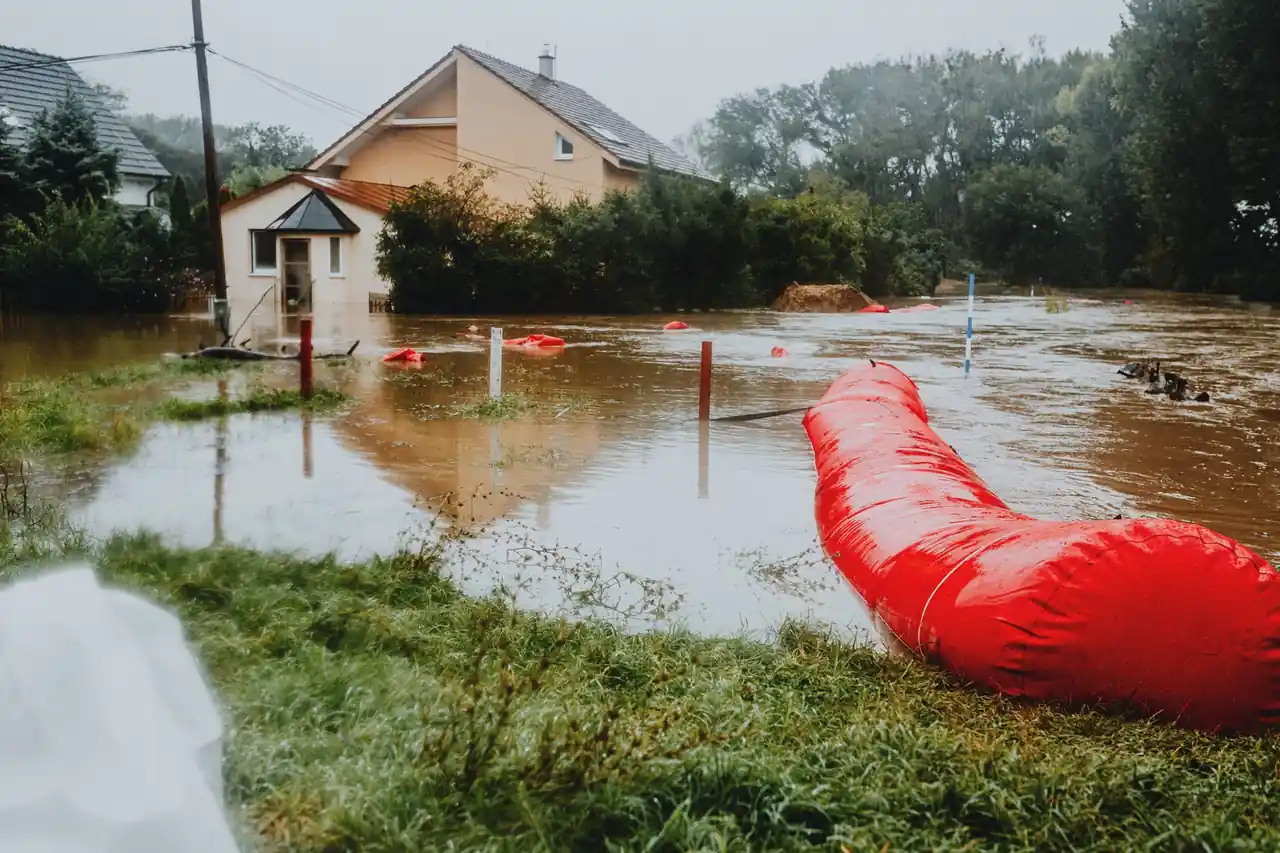
Getting standing water out is only half the job. Industrial air movers and dehumidifiers pull moisture from wall cavities, subfloors, and framing that look dry on the surface. Crews return daily, take moisture readings, and adjust equipment until every material reaches dry standard. Ending drying early is the most common reason mold appears weeks later.
View service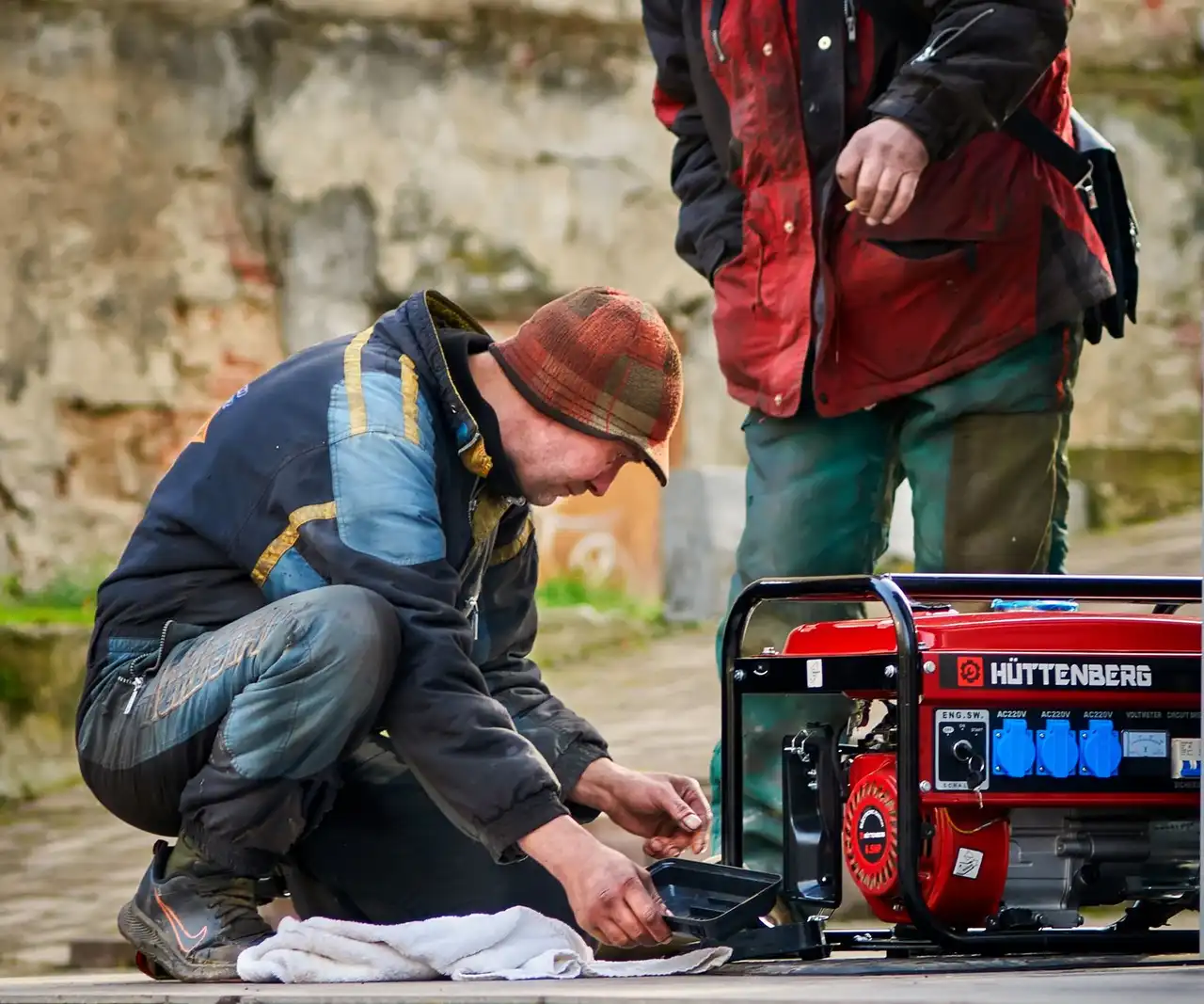
Many Peachtree Corners homes sit on crawl spaces, where water hides longer than anywhere else — from plumbing leaks, burst pipes, and storm runoff. The work covers pumping standing water, removing saturated insulation, drying joists and subfloor from below, and checking the vapor barrier before mold, rot, and musty odors spread through the house.
View service
Basements collect every kind of water problem: groundwater after heavy rain, sump pump failures, water heater leaks, and flooding near the river. Crews pump, extract from carpet and concrete, and dry finished and unfinished spaces. Finished basements need the fastest response — drywall and flooring start growing mold within a day or two.
View serviceWashing machines, dishwashers, ice maker lines, and water filters fail quietly, usually while nobody is home — a split supply hose can flood a kitchen or laundry room in under an hour. Cleanup covers extraction, drying under and behind cabinets and appliances, and checking the walls and subfloor the water reached before damage spreads.
View service
When a tank corrodes through, it does not drip politely — it empties, and the supply keeps refilling it until someone shuts the water off. Garages, laundry rooms, and basement closets across Peachtree Corners flood this way every year. Crews shut the unit down safely, extract the water, and dry slab, framing, and adjoining rooms.
View serviceYou describe the problem — where the water is, where it seems to come from, whether it is still spreading — and a local crew is sent. You also get shut-off guidance on the phone, so the water stops while help is on the way. The line answers immediately, 24 hours a day.
The crew finds and stops the source if it is still active, checks for safety issues like water near electrical outlets, and moisture-maps the damage so nothing wet is missed. You hear what can be saved, what cannot, and what the work involves before major work begins.
Pumps and truck-mounted extractors remove standing water from floors, carpet, padding, basements, and crawl spaces. Extraction usually finishes within hours on the first day, and it is the step that decides how much of your flooring, cabinets, and drywall can be saved instead of replaced.
Air movers and dehumidifiers are placed through the affected areas and left running. The crew returns daily to take moisture readings in walls, floors, and framing, adjusting equipment until every material reaches dry standard. Most homes dry in three to five days; equipment leaves only when readings say so.
Knowing what happens next takes some of the panic out of a flooded home. When you call, a local crew is dispatched and the process below begins: stop the source, remove the water, dry what remains, and leave you with documentation your insurance company can use. Most extraction finishes the same day.
We are a referral service, and we are straightforward about that: we do not swing the hammers ourselves. What we do is connect you, fast, with local water-damage professionals who serve Peachtree Corners every day — and keep the process simple while you are standing in water. Three reasons homeowners across Gwinnett County start with our number:
One number, answered day and night. A burst pipe at 2 a.m. gets the same response as one at 2 p.m. — no voicemail, no waiting for business hours while water spreads. You describe what you are seeing, and a local crew is dispatched while you are still on the phone, starting with shut-off guidance for your home.
The professionals we connect you with are based around Gwinnett County and know Peachtree Corners housing stock firsthand — the crawl spaces along Peachtree Corners Circle, the finished basements near Jones Bridge Park, the slab homes around The Forum. They arrive knowing what to look for, which shortens the assessment and gets extraction started faster.
Every job is documented properly: photos of the damage and the water path, daily moisture readings, and a clear written scope you can hand to your insurance adjuster. That paperwork removes one of the biggest headaches of any claim — and prompt extraction plus clean documentation gives a sudden-and-accidental water claim its strongest footing.
If it is safe, shut off the water at the main valve and turn off power to the affected area at the breaker box. Move valuables and furniture out of the water if you can do so safely, take photos for insurance, and then call (770) 555-0123. Never walk through water that may be in contact with electrical outlets, and never enter sewage-contaminated water at all.
Mold can begin growing on wet drywall, insulation, and wood within 24 to 48 hours, especially in Georgia humidity. That is why extraction and professional drying should start the same day the water appears — once growth is established inside wall cavities, remediation becomes a much bigger and more expensive job.
Most policies cover sudden and accidental water damage — a burst pipe, a failed water heater, an appliance line that lets go. Flood damage from rising outdoor water usually requires a separate flood policy, and slow leaks that went unaddressed for months are often excluded. Prompt extraction plus good documentation gives any claim the strongest footing.
After extraction, structural drying typically takes 3 to 5 days. Crews place air movers and dehumidifiers and return daily to check moisture readings in walls and floors. Equipment comes out only when materials reach dry standard — guessing wrong and finishing early is how mold problems start.
Most single-area extraction and drying jobs run $500 to $1,500, multi-room mitigation $1,500 to $4,000, and sewage or flood restoration $2,000 to $7,000 or more, depending on water category, area size and how long materials stayed wet. You get a written estimate before work starts, and photos and moisture readings are documented for insurance either way.
Straight answers to the questions Peachtree Corners homeowners ask first when water gets loose — how fast mold grows, what to do in the first minutes, what insurance covers, and how long drying takes. Anything else, call (770) 555-0123 and ask.
Ask the local team
If water is in your home right now, do not send a message and wait — call. Our line is answered 24 hours a day, 7 days a week, and a local crew serving Peachtree Corners can be dispatched while you are still on the phone. You will talk to a person, not a phone tree, and there is no fee for the call and no obligation to book.