

24/7 emergency service in Peachtree Corners, GA — one call connects you to a local crew

Water Heater Burst? 50 Gallons Can Flood a Room Fast

A water heater stores 40 to 50 gallons under pressure, all day, every day — and when the tank finally corrodes through, it does not leak politely. It can empty its full contents across your garage, basement or utility closet — and because the supply line keeps feeding the tank, the flow may not stop at 50 gallons.

24/7 emergency responseWritten estimate before work beginsLocal Gwinnett County crews

Why Water Heaters Fail — and Why It Happens Fast

Many homeowners discover the failure only when water seeps under the garage door or pools in a hallway from a closet unit. This cleanup is the response to that specific event: stop the flow, extract the water, dry the space, and get a plumber's replacement coordinated into a dry room instead of a wet one. This page covers how tank failures happen, what to do in the first minutes, and what the cleanup involves. If your heater is leaking now, call (770) 555-0123 — we connect you with local pros around the clock. Steel tanks live on borrowed time. The glass lining inside eventually cracks, the anode rod that sacrifices itself to corrosion gets consumed, and rust begins eating the tank wall — fastest at the bottom, where sediment collects. In Gwinnett County's water, sediment buildup also insulates the bottom of the tank, forcing the burner or elements to overheat the metal beneath it, which speeds the failure.

  • Tanks typically last 8 to 12 years; age is the biggest risk factor
  • Sediment buildup overheats the tank bottom and speeds corrosion
  • A weeping base or rust streaks mean failure is coming, not maybe coming
  • A discharging T&P valve is a symptom to investigate, never to plug
Water Heater Leak Cleanup inspection and diagnostic work

Garage, Basement or Closet: Location Decides the Damage

Where the heater sits decides what the flood damages. Garage installations — common in Peachtree Corners — send water across concrete toward stored boxes, tools and vehicles, and under the wall into adjacent rooms; sloped garage floors sometimes carry it out the door, and sometimes into the house. Basement heaters flood the lowest finished or unfinished space and threaten everything stored at floor level. Closet and attic installations are the destructive ones: a first-floor closet unit soaks flooring and wall bases in every direction, and an attic unit — found in some local builds — rains through ceilings below. The volume surprises people. Forty gallons is roughly a bathtub and a half, arriving in minutes, with more behind it if the supply is not shut off. On concrete it is an extraction job; on wood flooring, carpet or drywall it becomes a drying and materials job within the first hour.

Heater locationFirst things damagedCleanup focus
GarageStored boxes, tools, wall bases, adjacent roomsExtraction, wall-base drying, contents sorting
BasementFlooring, stored belongings, nearby finished areasPump-out, drying, mold prevention
Interior closetFlooring in all directions, wall bases, ceilings belowFast extraction, floor and wall drying
AtticCeilings and rooms below the unitCeiling drying, insulation check, staining prevention
Quick answers

Questions Homeowners Ask Us First

How long does cleanup take after a tank failure?

Extraction usually takes one to three hours depending on how far the water spread, with drying equipment then running 2 to 4 days for most garage, closet and basement installations. Concrete garage floors dry fastest; finished basements and wood-floored closets take the longer end. The crew sets the timeline from moisture readings at the first visit.
Can the things stored around my water heater be saved?

Usually, yes — clothing, stored items, tools and vehicles can be moved once the area is safe, and most hard items rinse clean. Cardboard boxes and anything stored directly on the floor in the water's path are the common losses. Tell the crew about anything valuable stored nearby so it gets priority attention.

Who do I call first — a plumber or a cleanup crew?

Call (770) 555-0123 — we arrange the cleanup crew, and they coordinate timing with your plumber so the space is extracted and drying before or while the new heater goes in. Nobody should install a new unit into a wet, damaged space; drying first protects the installation and the room around it.

Still standing in water? Call (770) 555-0123 — help is available around the clock.

The First Minutes: Shut It Off Safely

The first minutes matter, and they are simple. If you can reach it safely, turn the heater's water supply valve — usually on the cold-water line above the unit — clockwise to close it; if that valve is stuck or unreachable, close the home's main water shutoff instead. For a gas unit, turn the control knob to 'pilot' or off if water is threatening the burner area; for electric, switch off the breaker if the panel is dry and safely reachable. Never stand in standing water to reach electrical controls. Then get what you can out of the water from the dry side, photograph the scene for insurance, and call (770) 555-0123. That is the whole homeowner portion of the job — everything after this point belongs to the cleanup crew and the plumber, and trying to mop 50 gallons with towels only delays the drying that actually protects the room.

  • Close the heater supply valve, or the main shutoff if needed
  • Gas: control to pilot/off. Electric: breaker off — only if safely reachable
  • Never touch electrical controls while standing in water
  • Photograph before cleanup; move belongings from the dry side
  • Call for extraction the same hour — do not wait for the plumber first

How Water Heater Leak Cleanup Works

The crew starts with extraction matched to the surface — pumps and extractors for volume, weighted extraction for carpet — then maps how far the water traveled. Tank water is clean at the source, but it picks up whatever it crosses, so a garage flood that ran through stored chemicals or a basement flood that reached a floor drain is assessed honestly rather than assumed clean. Drying follows the map: air movers along wall bases and across floors, dehumidifiers to pull the moisture out of the air, and checks inside wall cavities where water wicked in. Drywall that took water at the base is probed; closet and attic installations get ceiling and insulation checks below and around the unit.

  • Extraction, then moisture mapping of floors, walls and ceilings
  • Wall bases and cavities checked wherever water wicked upward
  • Drying verified by meter readings before equipment is removed
  • Plumber coordination so replacement lands in a dry, sound space
  • Failed tank documented for insurance before it is hauled away

What Gets Damaged — and What Can Be Saved

Tank floods produce a predictable mix of losses and saves. On a garage's concrete slab, most belongings in hard containers, tools and vehicles come through fine once rinsed and dried; cardboard storage, particle-board shelving and anything paper at floor level usually do not. In finished spaces, carpet from a clean tank flood can often be dried and cleaned, while saturated drywall bases and swollen laminate are judged by moisture readings and time. The bigger costs hide in the structure rather than the contents: subfloor edges, wall bottom plates and insulation that stay wet become mold habitat inside Georgia's humid season, and a closet or attic failure can stain ceilings two rooms away from the unit. Fast extraction plus verified drying is what keeps a tank failure as a one-appliance problem. Our water damage costs guide shows how these jobs are typically priced, and our appliance leak cleanup page covers the rest of the home's water-using machines.

  • Hard goods on concrete: usually saved. Cardboard at floor level: usually not
  • Clean tank water gives carpet and some flooring a real chance
  • Walls and ceilings near the unit decide the repair scope
  • Speed in the first hours is the difference between drying and rebuilding

Preventing the Next Tank Failure

The cheapest water heater flood is the one that never happens, and a few habits get you there. Know your tank's age — the label carries the manufacture date — and start planning replacement as it passes the ten-year mark rather than waiting for the floor to decide. Look at the base twice a year for rust, moisture or corrosion, and treat any weep as a scheduled replacement, not a curiosity. Confirm the drain pan actually drains, and consider a leak alarm: a small sensor on the floor beside the tank that sounds at the first puddle. If your tank is already old, a plumber can quote a planned swap on your schedule, and an automatic shutoff valve on the supply line can cap any future failure at a few gallons. And if the worst already happened, one call starts the recovery: (770) 555-0123 connects Peachtree Corners homeowners with cleanup pros who handle the flood while the replacement gets arranged.

  • Check the manufacture date — plan replacement around year 10
  • Inspect the base for rust or moisture twice a year
  • Verify the drain pan's drain line is actually open
  • A floor leak alarm costs little and catches failures early
  • Automatic shutoff valves limit a rupture to a small spill

Areas We Serve

Crews cover Peachtree Corners and the surrounding Gwinnett County communities:

NorcrossDuluthJohns CreekDunwoodySandy SpringsAlpharettaSuwaneeRoswell

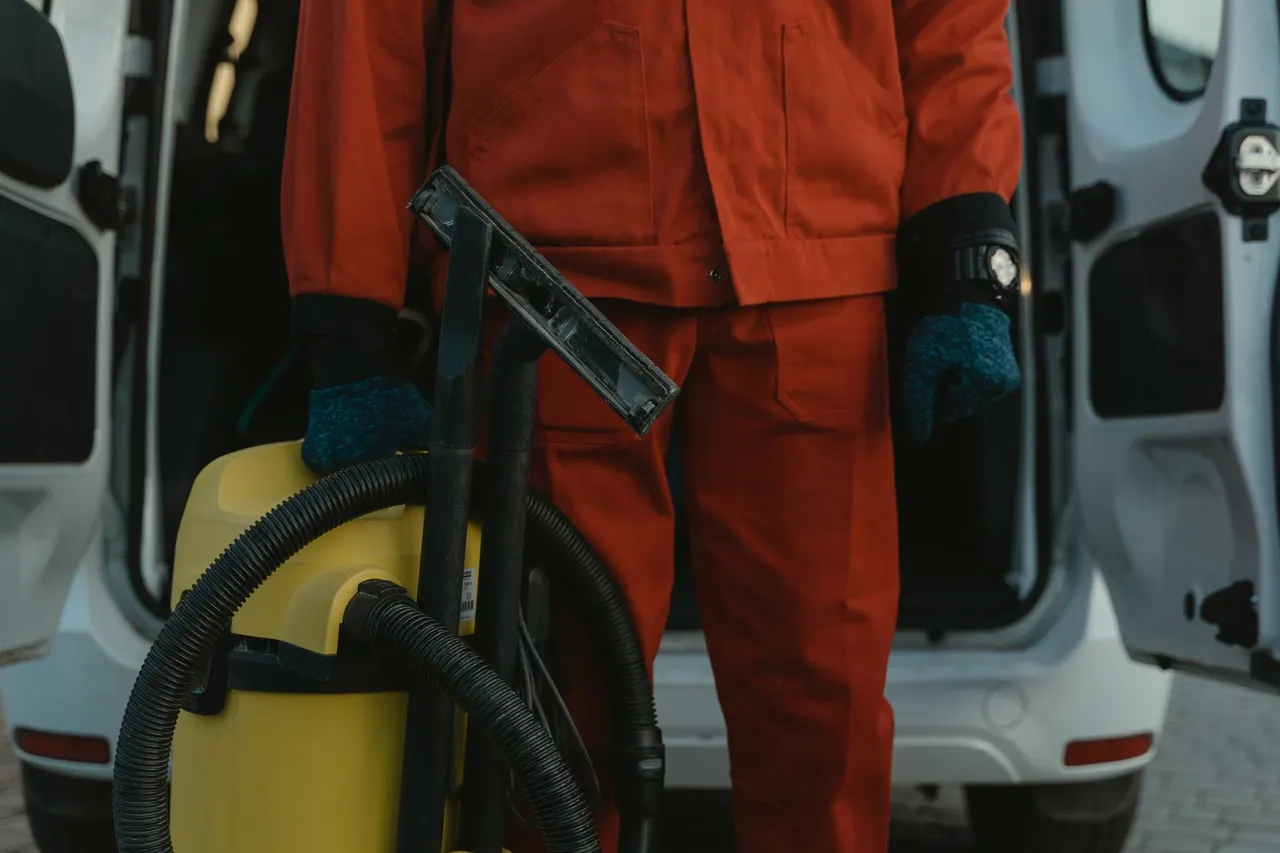
Tools used for Water Heater Leak Cleanup

Frequently Asked Questions

Does a leaking water heater always need replacement?

If the tank itself is leaking, almost always — a corroded tank cannot be patched reliably, and a tank leaking from the base or seams is at the end of its life. A plumber confirms and replaces it. If the water came from a valve, fitting or drain line, the heater may survive; either way the cleanup of the flooded space proceeds the same, and the two visits are usually coordinated.

How old is too old for a water heater?

The tank label carries a manufacture date, and typical service life runs about 8 to 12 years. Rust-colored hot water, rumbling sounds, and moisture or corrosion at the base are signs worth acting on before a failure floods the room.

Does insurance cover a burst water heater flood?

Sudden tank failure is the classic covered scenario — a sudden and accidental discharge — including the resulting water damage to the room. The replacement heater itself is usually treated as a worn-out appliance and not covered; the cleanup and damage repair commonly are. Photograph everything and keep documentation from both the cleanup crew and the plumber.

Wouldn't a drain pan have caught the water?

Yes, when the drain pan has a working drain line — which is exactly why pans and drains are required in many indoor installations. A pan without a drain, or with a clogged one, overflows in minutes against a full tank release. Checking the pan drain once a year is a two-minute job that can save a room.

What are the warning signs a tank is about to fail?

Rust streaks or dampness at the base, a T&P valve that drips steadily, puddles that reappear after drying, and corrosion on the inlet and outlet fittings. Any of them earns a plumber visit now — planned replacement on your schedule costs far less than an emergency flood on the tank's schedule.

Water Problem in Peachtree Corners, GA Right Now?

Every hour of standing water means more damage and a bigger bill. One call connects you with a local crew that can start extraction and drying today.

Call now
Water standing in your home right now?Local crews respond 24/7 across Peachtree Corners — one call and help is on its way.
☎ Call (770) 555-0123
(770) 555-0123