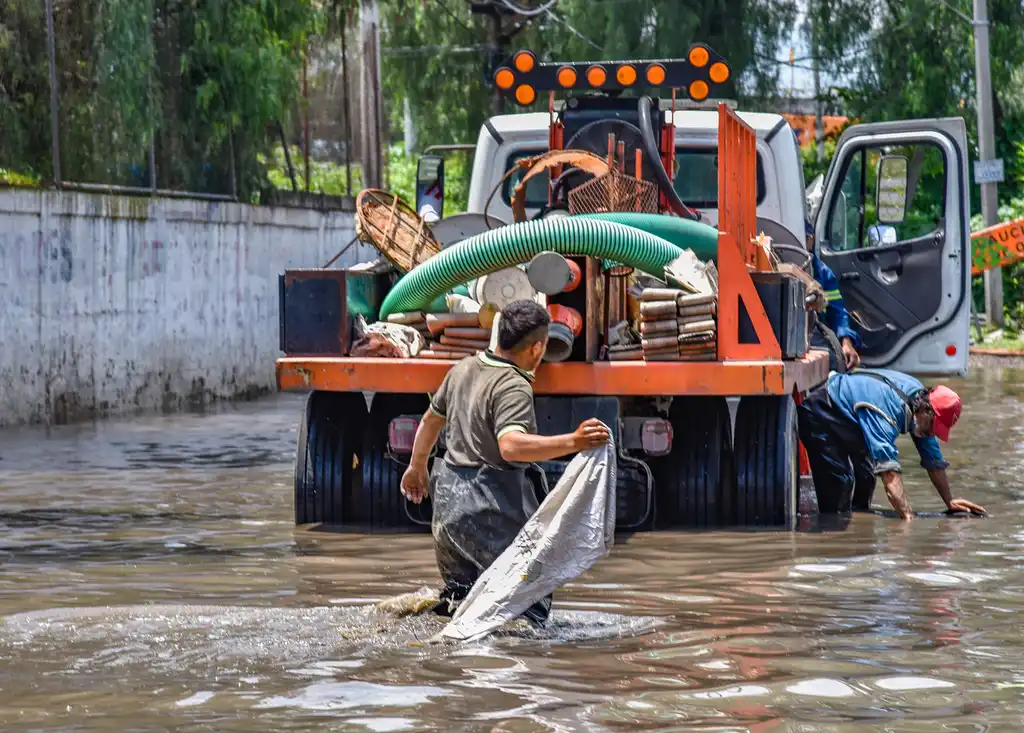
24/7 emergency service in Peachtree Corners, GA — one call connects you to a local crew

Sewage Backed Up Into Your Home? Safety Comes First

A sewage backup is the one water problem you should never try to mop up yourself. When a toilet overflows with waste, a floor drain pushes black water into a bathroom, or a main line sends sewage into a basement, that water carries bacteria, viruses and chemical residue that can make your family sick.

24/7 emergency responseWritten estimate before work beginsLocal Gwinnett County crews

Why Sewage Water Is a Health Hazard, Not Just a Mess

In Peachtree Corners and across Gwinnett County, backups happen during heavy storm rain when municipal lines surcharge, when tree roots crack older clay and cast-iron pipes, and in homes on septic systems when a tank or drain field falls behind. This page explains what makes sewage water different from ordinary leaks, what a professional sewage backup cleanup actually involves, and what to do in the first hour. When you call (770) 555-0123, we connect you with local pros who handle contaminated water safely — containment, removal, sanitizing and drying — so your home is clean and safe again, not just dry on the surface.

Restoration professionals sort water into three categories. Category 1 is clean water from a supply line. Category 2 is grey water with some contamination, like a washing machine discharge. Sewage is Category 3 — 'black water' — and it is treated as a biohazard. It can carry E. coli, salmonella, norovirus, hepatitis A and parasites, plus whatever chemicals, medicines and cleaning products were flushed into the same line. The danger is not only what you can see. Sewage soaks into carpet padding, drywall, insulation and subfloor, where pathogens survive long after the smell fades.

  • Treat every sewage spill as contaminated, even if the water looks mostly clear
  • Keep kids and pets out of affected rooms until sanitizing is finished
  • Do not run central air if sewage reached vents or the air handler — it spreads contaminants
  • Throw away food, medicine and toiletries that contacted the water
Sewage Backup Cleanup inspection and diagnostic work

What Causes Sewage Backups in Gwinnett County Homes

Most backups in the Peachtree Corners area trace back to a handful of causes. Mature trees around older neighborhoods near Peachtree Corners Circle send roots into clay sewer laterals, slowly choking the line until one heavy flush or storm pushes everything back into the house. During intense Georgia downpours, storm water can overwhelm combined drainage and surcharge the sanitary line, so the lowest drain in the home — usually a basement toilet, shower or floor drain — becomes the escape route. Homes on septic systems, still common on larger lots toward the Chattahoochee River side of the city, back up when tanks go too long between pump-outs or when drain fields saturate after days of rain. Grease, 'flushable' wipes and paper products build up in lines over years and turn a partial clog into a full blockage. A cleanup crew removes the water and contamination; a plumber then fixes the line itself, and the two steps are often coordinated on the same visit.

CauseTypical first signWhere it appears
Tree roots in the sewer lateralSlow drains, gurgling toiletsLowest bathroom or basement drain
Storm surcharge of city linesBackup during or right after heavy rainFloor drains, ground-floor toilets
Full or failing septic tankDrains slow across the whole houseLowest fixtures, yard pooling near tank
Grease and wipe blockagesOne fixture backing into anotherTub or shower when toilet flushes
Quick answers

Questions Homeowners Ask Us First

Can I just bleach the floor and let it dry?

Bleach on a hard, non-porous surface helps, but sewage rarely stays on hard surfaces — it soaks into grout, wall bases, carpet pad and subfloor where bleach cannot reach or work reliably. If the spill is more than a small splash around one toilet base, professional extraction and disinfecting is the safer route.
How long does sewage cleanup usually take?

A single bathroom backup can often be extracted, sanitized and set to dry the same day, with drying equipment running 2 to 4 days afterward. Larger backups that reached multiple rooms, or where drywall and flooring must come out, take longer. The crew gives you a timeline after the first moisture and contamination check.

Does homeowners insurance cover sewage backups?

Standard policies usually exclude sewage backup unless you added a water-backup endorsement — many Gwinnett homeowners carry one without realizing it. Check your policy or ask your agent, and keep photos and the cleanup invoice either way. Our water damage insurance claims guide explains how to document the loss.

Still standing in water? Call (770) 555-0123 — help is available around the clock.

How Professional Sewage Cleanup Works, Step by Step

A professional sewage backup cleanup follows a strict order, because cleaning before the source is fixed — or drying before disinfecting — just spreads the problem. First the crew confirms the water source is stopped and the line problem is identified, working with a plumber when the blockage is still active. The affected area is then sealed off with plastic containment so contaminants do not travel to clean rooms on shoes, hoses or air currents. Standing sewage is pumped out and extracted. Porous materials that sewage touched — carpet and padding, swollen drywall, insulation, upholstered items — cannot be reliably disinfected and are removed in sealed bags. Hard surfaces are washed, then treated with professional antimicrobial disinfectant. Only after sanitizing does drying begin, with air movers and dehumidifiers bringing the structure back to safe moisture levels, verified with meters before equipment leaves.

  • Step 1: Stop the source and assess how far the water spread
  • Step 2: Set containment and protect unaffected rooms
  • Step 3: Extract sewage and remove unsalvageable porous materials
  • Step 4: Wash and disinfect every contacted surface
  • Step 5: Dry the structure and verify moisture readings
  • Step 6: Final walkthrough so you know what is safe to use again

Why DIY Sewage Cleanup Is Dangerous

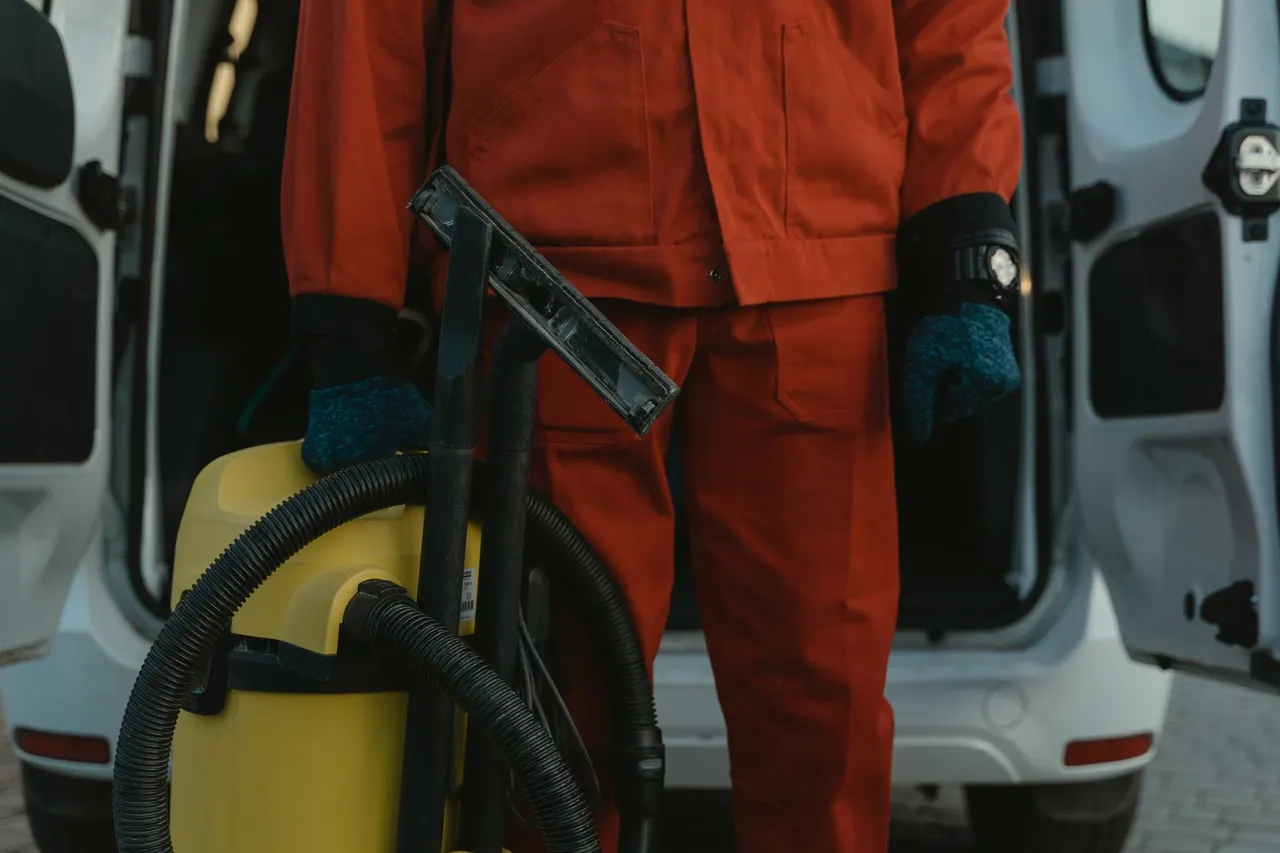
It is understandable to grab a mop and bleach when sewage hits your bathroom floor — but household cleanup of Category 3 water creates real risks. Bleach does not reliably disinfect porous materials, and mixing cleaners can release gases that are dangerous in a closed bathroom. A household wet-vac is not sealed for biohazard work; it can aerosolize bacteria into the air you breathe and contaminate the machine permanently. The bigger problem is what DIY cleanup misses. Sewage that reached a wall base has usually wicked up inside the wall cavity. Sewage under tile or laminate travels along the subfloor far beyond the visible puddle. Without moisture meters and proper extraction, homeowners dry the surface while contamination stays trapped underneath — and the smell that 'comes back' two weeks later is that hidden reservoir, now with mold growing in it. Professional crews wear protective equipment, use sealed extraction and disposal, and document what was removed, which also matters if you file an insurance claim.

  • No protective gear: skin, eye and respiratory exposure to pathogens
  • Household bleach cannot disinfect carpet pad, drywall or insulation
  • Hidden spread inside walls and under floors goes untreated
  • Improper disposal can violate local rules and spread contamination

Septic or City Sewer? Cleanup Is the Same, the Fix Differs

Whether your Peachtree Corners home connects to Gwinnett County sewer or runs on a private septic system, the cleanup inside your home follows the same safety steps: extraction, removal of contaminated porous materials, disinfecting and drying. The difference is the repair that prevents a repeat. A city-sewer backup usually means a blockage or root intrusion in your lateral line — the section you own between the house and the street — and a plumber clears or repairs it. A septic backup means the tank needs pumping, a filter may be clogged, or the drain field is saturated or failing. After days of Georgia rain, a healthy drain field can temporarily fall behind; if backups repeat in dry weather, the system itself needs service. Tell the crew which system you have when you call — it helps them coordinate the right repair alongside the cleanup so the problem does not return the following week.

  • Know where your cleanout or septic tank lid is, if you can do so safely
  • Note whether the backup followed heavy rain — it points to the cause
  • If neighbors have the same problem, report it to the county as well
  • Keep receipts and photos; sewer-backup endorsements often cover cleanup

What to Do in the First Hour of a Backup

Fast, calm steps protect your family and limit the damage bill. Stop using water anywhere in the house — every flush or running tap adds to the backup. If it is safe, shut off the water supply to the affected fixture. Keep everyone out of the contaminated area, and if sewage is near electrical outlets or appliances, stay out of standing water entirely and let the crew handle it. Take photos and a short video of the affected rooms for your insurance records before cleanup begins. Move uncontaminated belongings out of the area from the dry side, and bag anything that touched sewage for disposal rather than washing it in your own machine. Then call (770) 555-0123 — we connect Peachtree Corners homeowners with local sewage cleanup pros around the clock, because Category 3 water gets more dangerous, and more expensive, with every hour it sits.

  • Stop all water use in the home immediately
  • Keep people and pets out of the affected area
  • Photograph everything for insurance before cleanup
  • Do not wash contaminated laundry in your home machine
  • Call for professional cleanup the same day — do not wait overnight

Areas We Serve

Crews cover Peachtree Corners and the surrounding Gwinnett County communities:

NorcrossDuluthJohns CreekDunwoodySandy SpringsAlpharettaSuwaneeRoswell

Tools used for Sewage Backup Cleanup

Frequently Asked Questions

Is sewage backup water really that dangerous for a healthy adult?

Yes. Category 3 water can carry bacteria, viruses and parasites that cause serious gastrointestinal and skin infections even in healthy people, and exposure risk rises with skin contact and breathing aerosolized droplets. That is why crews wear protective equipment and seal off the work area.

What has to be thrown away after a sewage backup?

Porous items that sewage touched generally cannot be disinfected reliably: carpet and padding, upholstered furniture, mattresses, stuffed toys, cardboard and paper goods, and food or medicine. Hard, non-porous items can usually be cleaned and disinfected. The crew will tell you honestly what can be saved.

The smell is gone — is my home safe now?

Not necessarily. Odor fading only means the surface dried. Contamination and moisture can remain inside wall cavities and under flooring, feeding mold growth. A moisture check and proper disinfecting are what make the space genuinely safe, not the absence of smell.

Do you fix the clogged pipe too?

Cleanup and plumbing repair are two different jobs. We connect you with cleanup pros who handle the contaminated water, and they coordinate with a plumber who clears roots, grease or blockages — or flags a septic issue — so the backup does not repeat after the cleaning is done.

How fast can a crew reach Peachtree Corners?

Call (770) 555-0123 any time, day or night. We connect you with local water-damage pros serving Peachtree Corners, Norcross and the surrounding Gwinnett area, and sewage calls are treated as urgent because every hour increases health risk and damage.

Water Problem in Peachtree Corners, GA Right Now?

Every hour of standing water means more damage and a bigger bill. One call connects you with a local crew that can start extraction and drying today.

Call now
Water standing in your home right now?Local crews respond 24/7 across Peachtree Corners — one call and help is on its way.
☎ Call (770) 555-0123