24/7 emergency service in Johns Creek, GA — one call connects you to a local crew

Johns Creek Water Removal for Basements That Can't Wait

Johns Creek homes are the biggest in this corner of metro Atlanta — and when water gets loose in one, the stakes match the square footage. Finished basements with theatres and wine cellars sit below grade on river-side lots.

24/7 emergency responseWritten estimate before work beginsLocal Gwinnett County crews

Johns Creek Water Risks: Finished Basements, Attic Systems, River Lots

Water heaters hide in attics above coffered ceilings. Irrigation systems run for acres of landscaping. A burst line here is not a mop-and-bucket problem; it is a race to protect finishes that cost six figures to install. For water extraction in Johns Creek homeowners can trust with a high-value home, one call to (770) 555-0123 brings a local crew that extracts fast, dries to verified standards and documents everything the way an adjuster for a large claim expects. ZIP code 30022 — Medlock Bridge Road, State Bridge Road, the riverfront clubs — is covered around the clock. Below: the risks specific to Johns Creek homes, the services that answer them, the neighborhoods served, and how a call unfolds. Start with the finished basement, because that is where Johns Creek loses the most money to water. Terrace levels here are not storage — they are second living rooms with hardwood, carpet, kitchens, bars and gyms, and they sit at exactly the level where groundwater, sump failures and foundation seepage arrive first.

A pump that quits during a summer thunderstorm can put two inches of water across a finished floor before anyone wakes up, and every hour of delay moves water from saveable surfaces into drywall and cabinetry. Above ground, the risks are architectural. Large Johns Creek homes often carry water heaters and HVAC systems in attic spaces, where a slow drip becomes a ceiling stain, then a collapsed section of drywall. Long roof spans and complex valleys leak in wind-driven rain. Riverfront estates along the Chattahoochee — in and around the River Club and St Ives — deal with high water tables and lots that slope toward the house. And the landscaping itself is a suspect: irrigation lines and sprinkler heads break, soak foundation beds for weeks, and present as a mysterious damp wall. In Georgia humidity, any of these gives mold a 24-to-48-hour head start if it is ignored.

  • Sump pump failure flooding finished terrace levels during summer storms
  • Attic water heaters and HVAC pans leaking through ceilings below
  • Chattahoochee riverfront lots with high water tables and reverse-slope drainage
  • Broken irrigation lines soaking foundations and presenting as damp walls
  • Complex roof valleys leaking in wind-driven rain over large floor plans

Water Extraction Peachtree Corners serving Johns Creek

Extraction and Drying Services Built for Large Johns Creek Homes

The work in a Johns Creek home is as much about protection as removal. Crews extract first — pumping lower levels, pulling water from carpet and hard surfaces with truck-mounted equipment — and in parallel they protect what the water has not reached: contents moved or blocked up, unaffected finishes covered, and moisture contained to the zone it started in. Moisture mapping then traces the full footprint, including water that has wicked up inside insulated walls, so the drying plan covers everything, not just the visible puddle. Drying is monitored daily and documented to the standard a large insurance claim requires. The services below are the Johns Creek core set; the same crews handle roof leaks, appliance failures and sewage events anywhere in 30022. That protection-first approach is what a water extraction Johns Creek call looks like in practice.

  • Basement water removal — pumping and drying finished terrace levels, theatres and gyms
  • Emergency water removal — 24/7 extraction for standing water anywhere in the home
  • Water heater leak cleanup — attic and closet tank failures, including ceiling-cavity drying
  • Water damage restoration — drying, sanitizing and repair documentation after the water is out
  • Structural drying — monitored air movement and dehumidification verified by daily readings
Quick answers

Questions Homeowners Ask Us First

There is a water stain spreading on my ceiling. The water heater is in the attic — what now?

That is one of the most common Johns Creek calls. Tank water heaters installed in attics leak through ceilings and light fixtures, often for days before the stain shows. Turn off the heater's water supply, catch what you can, and call — the crew extracts, then dries the ceiling cavity and attic floor before mold takes hold in the insulation.

Can crews access gated communities like St Ives or Country Club of the South?

Yes. Gate and access details go to the dispatcher with your call, and local crews know the entry procedures at St Ives, Country Club of the South and the other guarded communities along Medlock Bridge Road. Equipment is staged inside your property, and no gate is ever left unsecured.

My sump pump failed and there is an inch of water in the basement. Is that an emergency?

If the level is finished, treat it as damage already in progress: extraction should start the same day, because water has already reached carpet pad, baseboards and drywall. If it is an unfinished storage level and the water is clean and shallow, photos plus a call for guidance costs nothing — the dispatcher will tell you honestly whether a crew needs to roll.

Still standing in water? Call (770) 555-0123 — help is available around the clock.

Neighborhoods and ZIP Codes Served in Johns Creek

All of Johns Creek is covered under ZIP code 30022. Regular service includes the St Ives and Country Club of the South communities along Medlock Bridge Road, the Rivermont streets on the river, Sugar Mill and Doublegate, the State Bridge Road corridor, and the neighborhoods off McGinnis Ferry Road toward Suwanee. Gated-community access is routine — gate details are taken with your call and crews check in properly at every guard house. Johns Creek also shares its ZIP with parts of south Alpharetta, and homes on that side of the line are covered on the same terms.

  • St Ives Country Club area — 30022
  • Country Club of the South — 30022
  • Rivermont and the Chattahoochee riverfront — 30022
  • Sugar Mill and Doublegate — 30022
  • State Bridge Road corridor — 30022
  • McGinnis Ferry Road toward Suwanee — 30022

How a Water Extraction Call Works in Johns Creek, Step by Step

Call (770) 555-0123 at any hour and a dispatcher — a real person — first helps you stop the source: the main shutoff for a burst line, the tank valve for a water heater, the pump breaker for a failed sump. The nearest crew is dispatched with extraction and drying equipment, plus the containment and contents-protection gear larger homes require. On arrival the crew walks the home with you, checks electrical safety, and photographs everything before work begins. Extraction and protection happen together: water out, valuables and unaffected finishes shielded, wet-zone boundaries set.

Moisture mapping then defines the drying plan, and equipment is placed the same visit. Daily visits follow — readings taken, equipment adjusted, progress reported to you in plain numbers. When every reading reaches dry standard, equipment is removed and you receive the complete claim file: photos, moisture log and written scope. For a home of this value, that file is not paperwork — it is the difference between a settled claim and a disputed one. Every water extraction Johns Creek job closes with that file, no exceptions.

  • Call and shutoff guidance — stop the water before it spreads further
  • Walkthrough, safety check and full photo documentation
  • Extraction plus contents protection — water out, valuables shielded
  • Moisture mapping — the true footprint, including inside walls
  • Monitored drying — daily readings until verified dry standard
  • Claim file handover — photos, moisture log and written scope
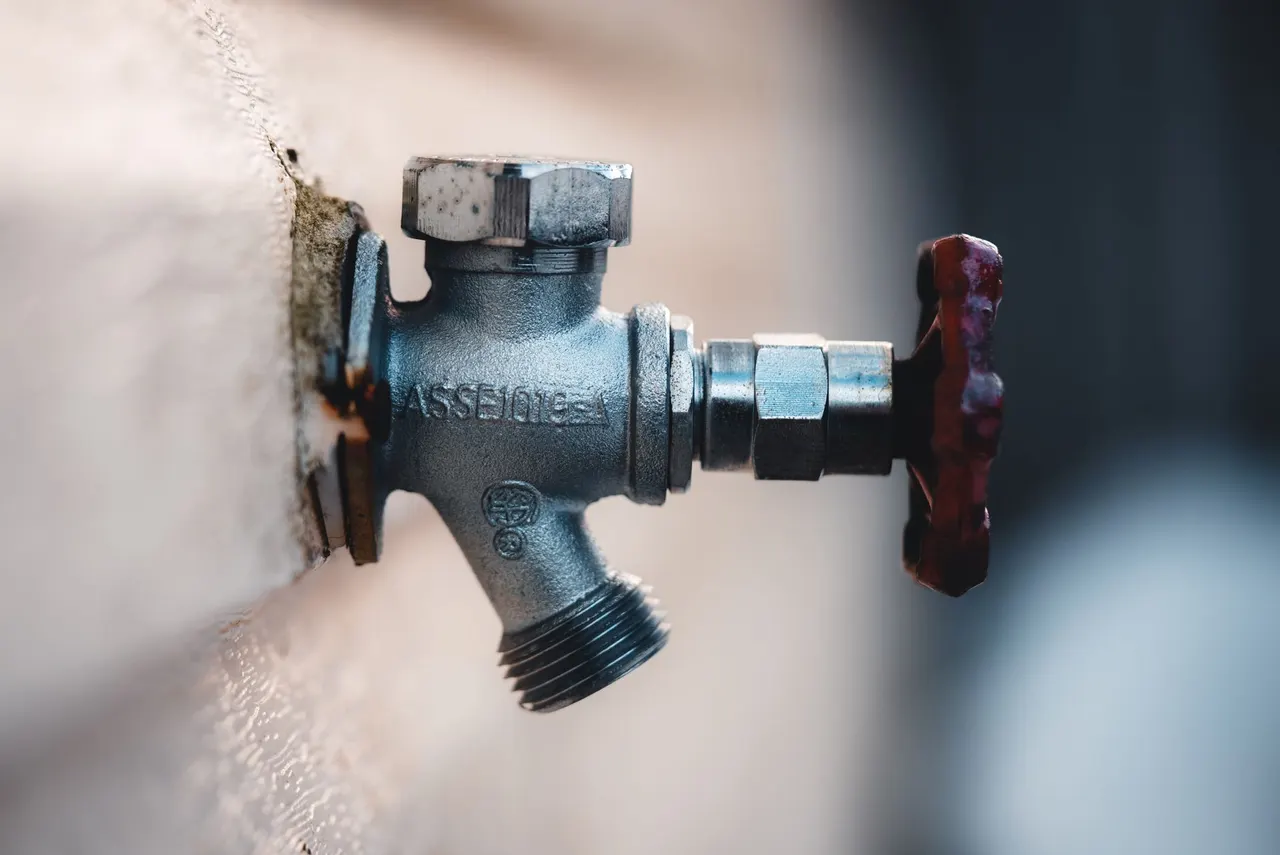
Inspection of a common Johns Creek property problem

Frequently Asked Questions

How much does water extraction cost in Johns Creek?

Larger homes mean larger affected areas, and Johns Creek jobs often involve finished basements with kitchens, bars and media rooms that cost real money to rebuild. A contained clean-water extraction may be a few hundred to a couple of thousand dollars; a flooded finished lower level with a week of drying runs higher — but is still far cheaper than demolition and rebuild. Sudden failures are typically covered by homeowners insurance minus the deductible. See our water damage costs page for typical ranges, and expect a written scope before work expands.

My finished basement has a home theatre and a bar. What gets saved?

Move fast on anything that cannot get wet: electronics, documents, rugs and upholstered pieces come up out of the basement first, and the crew helps with that on arrival. Beyond that, fast extraction and controlled drying save a remarkable amount — flooring, cabinetry and built-ins survive far more often when moisture is pulled within hours. The crew logs and photographs contents as they work, which matters for your claim if anything is lost.

Will the crew's documentation satisfy my insurance adjuster?

Yes to the documentation: time-stamped photos before extraction, daily moisture readings, and a written scope of what was wet, what was dried and what (if anything) had to be removed. Most adjusters know the local firms' formats, and complete documentation is the single biggest factor in a smooth claim for a high-value home. You receive the full file, and the crew can walk your adjuster through it on request.

How long does it take to dry a finished basement?

Four to seven days is typical for finished lower levels in large Johns Creek homes, longer where water reached multiple rooms, tile over concrete, or insulated wall cavities. Readings are taken daily and equipment is repositioned as areas dry. Removing equipment early to save a day is how basements end up with mold behind baseboards a month later — the dry standard, verified by meter, decides the end date.

Do we need to move out during extraction and drying?

No, provided the water is clean and drying starts immediately. Crews use containment, negative air and low-noise equipment placement so the rest of the home stays livable during most jobs. Sewage backups and heavy demolition are the exceptions — the crew will tell you honestly on arrival if a short hotel stay makes more sense, and most insurers cover additional living expenses in those cases.

Water Problem in Johns Creek, GA Right Now?

Every hour of standing water means more damage and a bigger bill. One call connects you with a local crew that can start extraction and drying today.

Call now
Water standing in your home right now?Local crews respond 24/7 across Peachtree Corners — one call and help is on its way.
☎ Call (770) 555-0123