24/7 emergency service in Peachtree Corners, GA — one call connects you to a local crew

Water Damage Restoration That Puts Your Home Back Together

Removing the water is only the middle of the story. The restoration process is the full journey that follows a leak or flood in your Peachtree Corners home: assessment and documentation, extraction, structural drying.

24/7 emergency responseWritten estimate before work beginsLocal Gwinnett County crews

Restoration Means the Whole Job, Not Just the Dry-Out

Cleaning and sanitizing, and then the repairs — drywall, flooring, paint, and trim — that make the rooms look and function the way they did before. This page explains how a complete restoration project runs, phase by phase, including the rebuild work that separates restoration from simple dry-out services. If your home has water damage and you want one coordinated path back to normal, call (770) 555-0123 to talk through your project. Many services stop at dry. A crew extracts the water, runs fans for a few days, and leaves you holding a list of contractors to call for the holes in your walls and the ruined floors.

Restoration is defined by what happens after that point. It owns the complete outcome: the structure dried and verified, contaminated materials cleaned or replaced, and every damaged finish repaired — drywall hung and painted, flooring relaid, baseboards and cabinets made whole. When you book restoration work, you are booking a finished home, not a dried-out shell and a DIY project. That single-scope approach is also what insurers prefer to document, because one file follows the loss from first photo to final walkthrough.

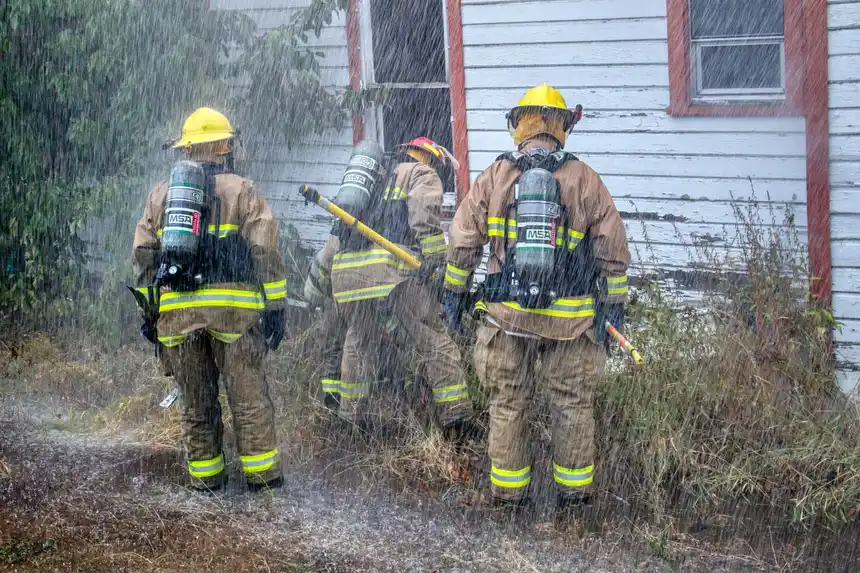
Water Damage Restoration inspection and diagnostic work

Phase by Phase: How a Restoration Project Runs

Every project is different in scope, but the sequence is consistent — and the order matters. Repairs started before drying is verified trap moisture inside walls. Cleaning done before material decisions wastes effort on things that will be discarded. The table below shows the standard phases of the restoration process in the order a well-run project follows them, with realistic timing for a typical residential job in the Peachtree Corners area.

PhaseWhat happensTypical timing
Assessment and documentationMoisture mapping, photos, and a written scope of damageDay 1
ExtractionStanding water pumped out and pulled from materialsDay 1
Drying and dehumidificationAir movers and dehumidifiers run; readings checked dailyAbout 3–5 days
Cleaning and sanitizingAntimicrobial treatment, contents and surface cleaningDuring and after drying
Repairs and rebuildDrywall, flooring, paint, trim, and cabinets restoredDays to weeks, by scope
Final walkthroughMoisture verified and finishes inspected with youEnd of project
Quick answers

Questions Homeowners Ask Us First

Is restoration different from mitigation?

Mitigation is the emergency stabilization phase — stopping the source, extracting water, and drying the structure in the first 24 to 48 hours so damage does not spread. Restoration is everything after that as well: cleaning, sanitizing, and the repairs that return the home to its pre-loss condition. Mitigation asks 'how do we stop this getting worse?' Restoration asks 'how do we make it right again?' Our water mitigation page covers the first phase in detail.
Can I live in my home during restoration?

In most cases, yes. Unless sewage contamination is extensive or whole ceilings and floors are being rebuilt, families stay in the home while work proceeds room by room. Expect noise from drying equipment for several days, plastic containment around work areas, and some rooms off-limits at times. The crew will be straight with you at assessment if any part of the home should stay empty for safety.

Who handles the repairs — the same project team?

Yes — that is the point of a full restoration project. Extraction, drying, cleaning, and repairs are coordinated as one scope of work with one documentation file, rather than separate trades you have to schedule and supervise yourself. One project also means the repair crew knows exactly what the drying data showed before they close a wall back up.

Still standing in water? Call (770) 555-0123 — help is available around the clock.

Repairs and Rebuild: Drywall, Flooring, and Finishes

The rebuild is where restoration earns its name. Wet drywall that cannot be dried to target comes out — often in a clean 'flood cut' above the waterline — and is replaced, taped, and painted to match. Insulation that stayed wet is swapped. Hardwood is refinished where drying saved it and replaced where it cupped beyond recovery; vinyl plank and carpet are relaid over verified-dry subfloors. Baseboards, door casings, and built-ins are repaired or rebuilt, and cabinets are dried from inside the toe-kick void or replaced when the boxes have swelled. The goal is boring in the best way: a visitor should not be able to tell which room had the flood.

  • Drywall removal and replacement, finished and painted to match existing walls
  • Insulation replacement where wet material was removed from walls or ceilings
  • Hardwood refinishing or replacement, vinyl plank and carpet reinstallation
  • Baseboard, casing, and trim repair and repainting
  • Cabinet drying, repair, or replacement where water reached the boxes
  • Fixture and finish checks — outlets, registers, and hardware in affected rooms

Cleaning, Sanitizing, and Odor Removal

Between drying and repairs sits the phase homeowners feel most: getting the home genuinely clean again. Water carries whatever it touched — soil, detergents, and in gray or black water events, bacteria — into carpets, upholstery, and wall surfaces. Restoration cleaning includes antimicrobial treatment of affected structural surfaces, cleaning and deodorizing of salvageable contents, and HEPA-filtered air scrubbing during dusty demolition work. Odor deserves specific attention: the musty smell after water damage comes from microbial growth in still-wet materials, so it is solved by drying and removing the source, not by masking it with fragrance. A properly restored room should smell like nothing at all.

Insurance Documentation Throughout the Project

A restoration project generates the paper trail your claim depends on. It starts with dated photos of the damage before anything is touched, continues with moisture readings logged at each drying check, and includes an itemized scope of materials removed and work performed. Adjusters use exactly this file to approve repairs, and gaps in it are the most common reason claims stall. Keep your own copies of everything, photograph the source of the water — the split pipe, the failed hose — and save receipts for any emergency expenses. Our water damage insurance claims guide explains what adjusters typically require and how to keep the process moving.

Restoring Peachtree Corners Homes

The local housing stock shapes restoration work here. Much of Peachtree Corners was built from the 1970s through the 1990s around Technology Park — homes with crawl spaces, aging supply lines, and in some cases polybutylene piping from that era, which has a long record of failures. Hardwood floors are common and worth aggressive drying. Chattahoochee humidity means drying targets have to be verified by meter, not guessed by feel, because ambient air here is rarely dry. And red clay soil keeps crawl spaces damp long after storms, so below-grade moisture gets checked as part of the project rather than discovered at the next home inspection.

How Long the Whole Project Takes

Homeowners always ask, so here is the honest version: the drying phase of a typical job runs three to five days. Small single-room repairs may add only a few days beyond that. Multi-room projects with flooring and cabinetry can run several weeks, driven more by material availability and scope than by the water work itself. What you should expect at assessment is a written sequence with the variables named — not a date plucked from the air. If drying readings come in better than expected, timelines shrink; if hidden water shows up behind a wall, they grow, and you should hear about it the same day it is found.

Areas We Serve

Crews cover Peachtree Corners and the surrounding Gwinnett County communities:

NorcrossDuluthJohns CreekDunwoodySandy SpringsAlpharettaSuwaneeRoswell

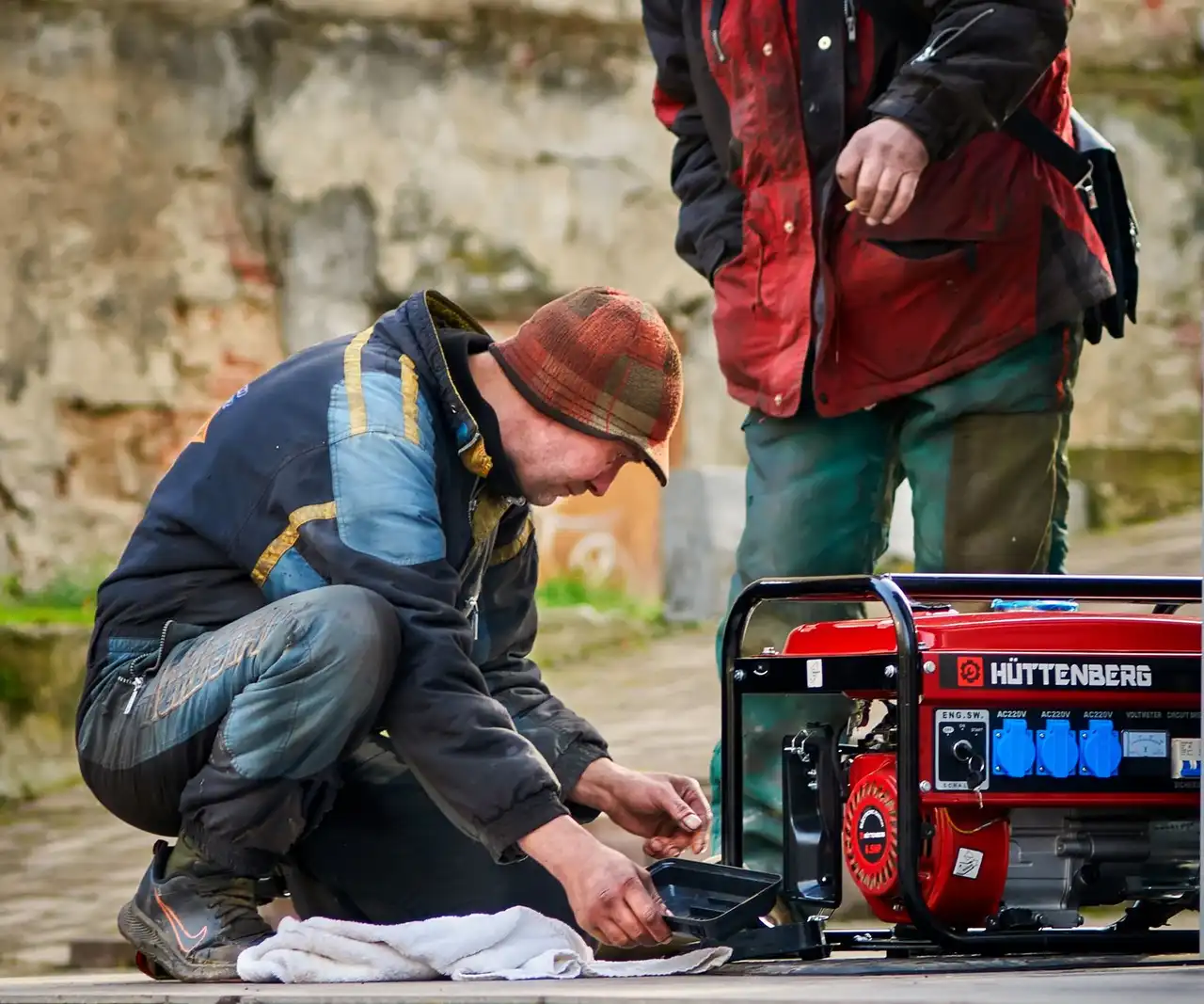
Tools used for Water Damage Restoration

Frequently Asked Questions

How long does this restoration work take?

Drying typically runs three to five days. Repairs after that range from a few days for a single room's drywall and paint to several weeks for multiple rooms, flooring, and cabinetry. The honest answer comes after the assessment, when the crew can see how far the water traveled. Any timeline promised before that inspection is a guess, and our restoration timeline guide breaks down what drives the schedule phase by phase.

Does homeowners insurance cover restoration?

For sudden, accidental events — a burst pipe, a failed water heater, an appliance overflow — homeowners policies typically cover the resulting damage, including restoration. Slow leaks and long-term neglect are usually excluded, and flood damage from rising water outside requires separate flood insurance. Good documentation from day one is what turns a covered event into a paid claim, so keep every photo, reading, and invoice the project generates.

What if mold is found during restoration?

It is documented, contained, and dealt with as part of the project rather than ignored. Small areas on removed materials leave with the debris. Larger or hidden growth — behind walls or in a crawl space — may need dedicated remediation steps before repairs proceed, because sealing mold behind new drywall just restarts the problem. Fast drying at the start of the project is what keeps this scenario rare.

Do I need separate contractors for drying and repairs?

No. Restoration is structured as one end-to-end project: the assessment informs the drying, the drying informs the repairs, and the same documentation file runs from first visit to final walkthrough. Coordinating separate contractors yourself usually means gaps — a repair crew closing walls before moisture targets are proven is the classic example, and it can trap moisture that restarts the damage.

What does the final walkthrough actually check?

Two things: dryness and workmanship. Moisture readings at previously wet locations must match the targets set during drying, confirming nothing was sealed in wet. Then the finishes — drywall seams, paint, flooring transitions, trim, and fixtures — are inspected room by room, and anything not right goes on a punch list to be corrected before the project is considered finished.

Water Problem in Peachtree Corners, GA Right Now?

Every hour of standing water means more damage and a bigger bill. One call connects you with a local crew that can start extraction and drying today.

Call now
Water standing in your home right now?Local crews respond 24/7 across Peachtree Corners — one call and help is on its way.
☎ Call (770) 555-0123